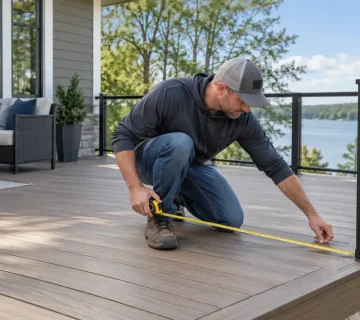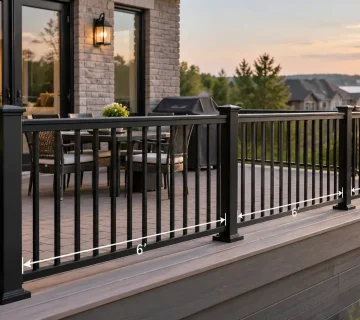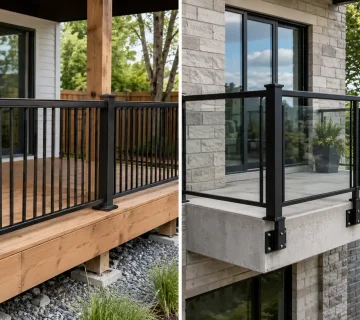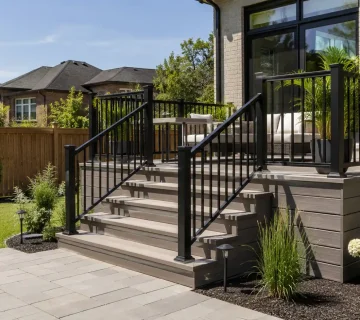
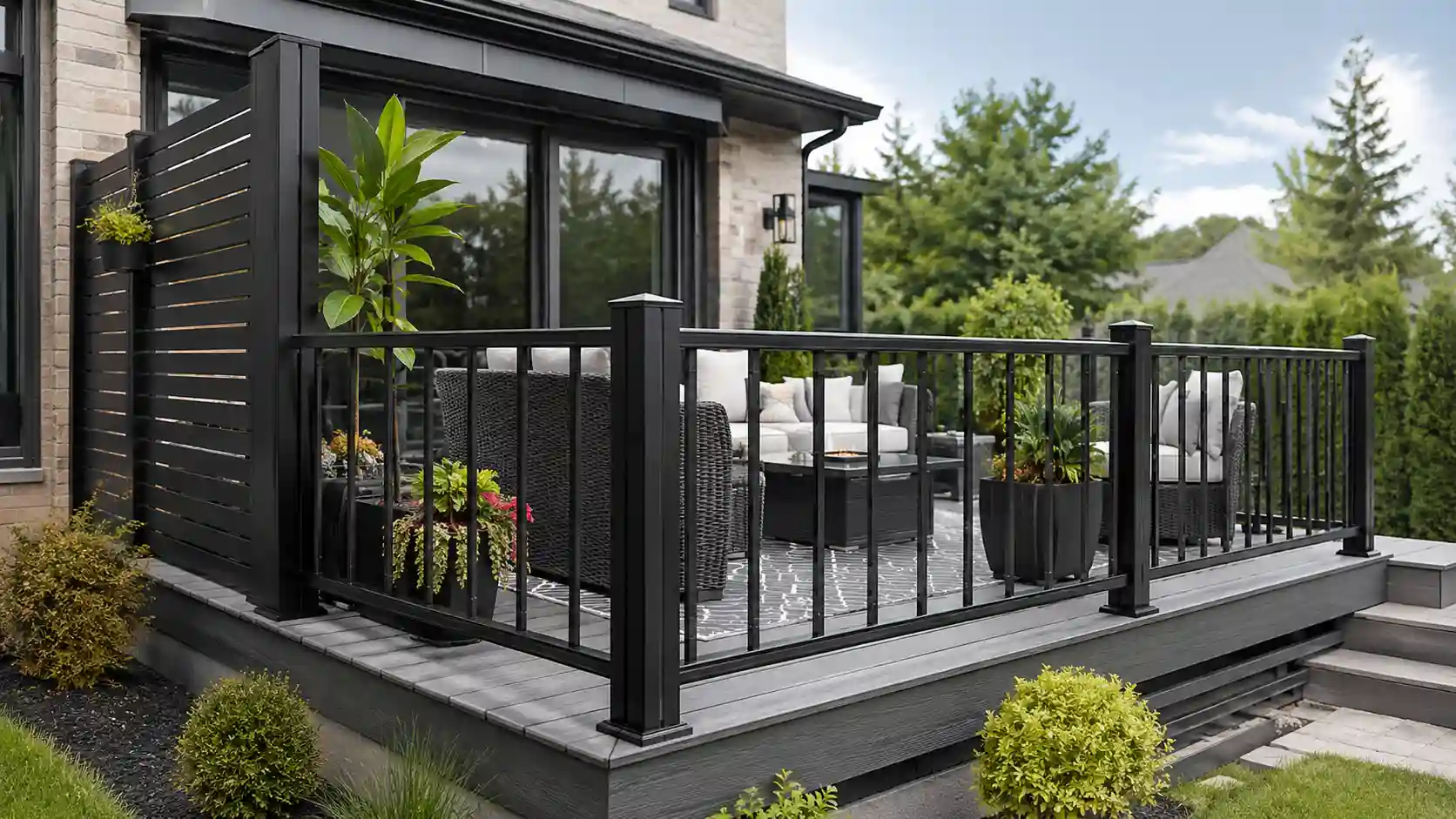
Deck privacy railing ideas can completely change how your outdoor space feels. A deck, balcony, porch, or rooftop terrace may be safe and structurally sound, but if it feels too exposed, most people simply use it less.
Privacy is not only about blocking neighbours. It is about comfort, wind control, sunlight, sightlines, security, and creating a space that feels intentional.
The challenge is choosing privacy upgrades that work with the railing system instead of fighting against it. A quick screen, tall panel, or makeshift divider may look fine at first, but it can create problems with stability, drainage, wind exposure, maintenance, or local requirements.
That is why the best deck privacy railing ideas start with the space itself.
Is the deck raised or ground level? Is the view worth preserving? Is the privacy issue coming from one side, multiple sides, or a neighbouring balcony? Is the area used for dining, relaxing, entertaining, or commercial access?
Once those questions are clear, it becomes easier to choose the right mix of railings, glass, dividers, fencing, and design details.
Why Privacy Matters More Than Most People Realize
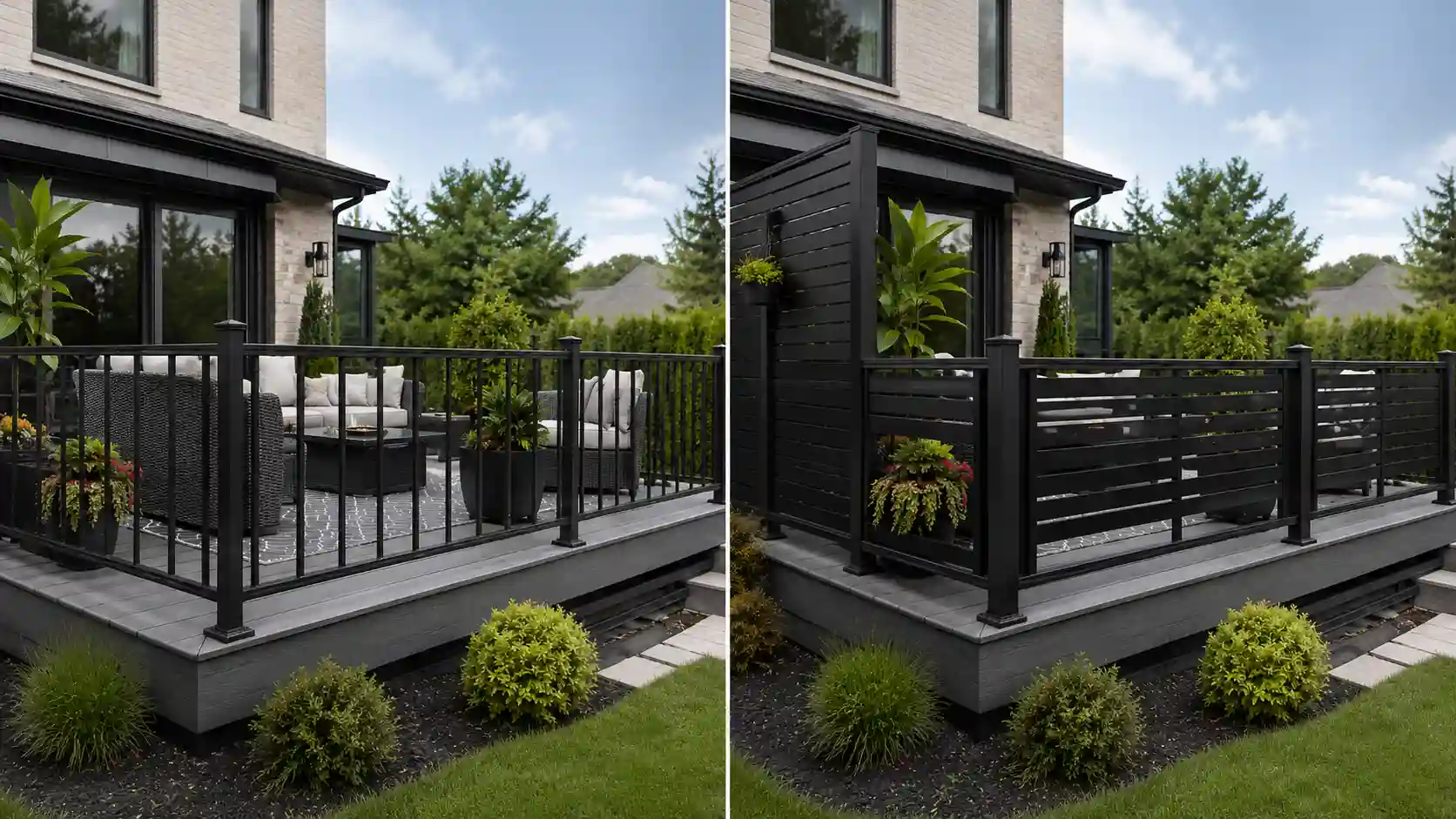
A railing defines the edge of a deck, but privacy defines the experience of using it.
A raised deck can feel like a stage if it faces nearby windows. A balcony can feel uncomfortable if it sits beside another unit. A backyard patio can feel unfinished if the railing stops at safety but does nothing for comfort.
That is where deck privacy railing ideas become useful. They help homeowners and builders think beyond the basic barrier and consider how people actually use the space.
A family may want privacy around a dining area. A condo or low-rise building may need dividers between units. A commercial patio may need visual separation without making the space feel boxed in. A homeowner in Toronto, Mississauga, Vaughan, North York, or elsewhere in the GTA may want a cleaner outdoor layout that still fits the home’s exterior.
Before choosing a product, it helps to understand the difference between three common goals:
| Goal | Best suited option | What it helps with |
|---|---|---|
| Keep the view open | Glass railing or partial glass panels | Light, views, modern design |
| Block side views | Glass or vinyl dividers | Shared decks, balconies, side exposure |
| Create stronger enclosure | Aluminum privacy fence panels | Backyards, patios, larger properties |
| Add style and detail | Deco or custom railings | Curb appeal, architectural character |
| Improve comfort without full enclosure | Planters, partial screens, mixed materials | Flexible privacy and softer design |
The right choice may involve one solution or a combination of several.
1. Use Partial Privacy Instead of Blocking Everything
One of the smartest deck privacy railing ideas is to avoid overcorrecting.
Many people think privacy means building a tall wall around the entire deck. In reality, full enclosure can make an outdoor space feel smaller, darker, and more closed off than expected.
Partial privacy is often more effective.
For example, if the main issue is a neighbour’s side window, you may only need one privacy panel along that side. If the dining area feels exposed, a targeted divider near the seating zone may solve the problem. If the deck overlooks a backyard, a lower railing with one taller corner screen may keep the view open while adding comfort.
This is especially useful when you are working with attractive railing systems such as aluminum deck railings or glass railings. Instead of covering the railing, the privacy element becomes part of the design.
A good question to ask is: “Where do people actually feel exposed?”
That answer is usually more helpful than trying to make every side private.
2. Add Glass Privacy Panels for Light Without Full Exposure
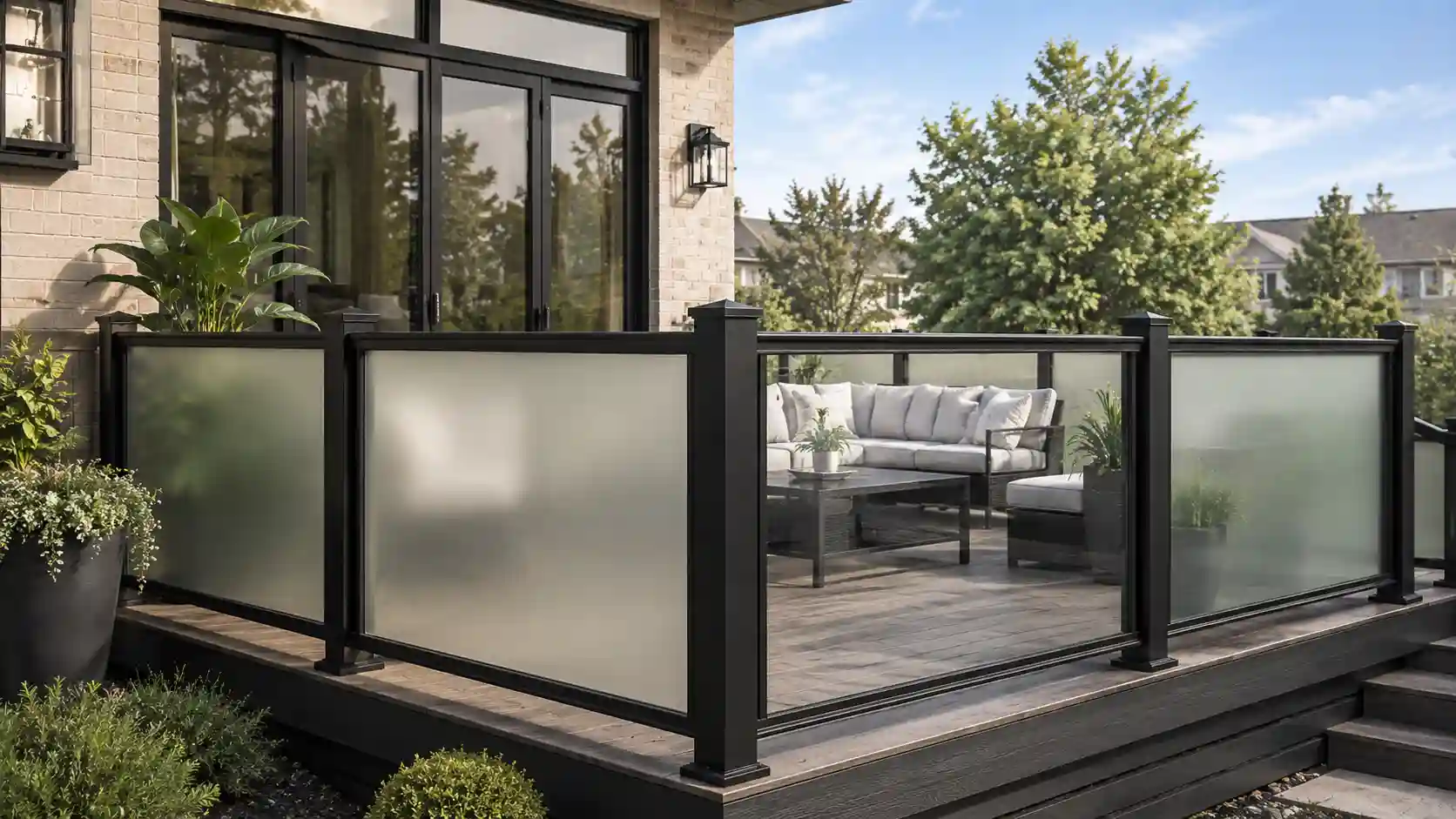
Glass is one of the most flexible privacy materials because it can block or soften sightlines without removing daylight.
Clear glass is best when the view matters. Frosted, tinted, or textured glass is better when privacy matters more than a completely open view. For decks, balconies, and rooftop spaces, glass can create a more refined look than fabric screens or temporary panels.
Glass privacy panels work well when you want:
- A modern appearance
- Better wind control
- More light than solid fencing allows
- A cleaner look for balconies or terraces
- Privacy without making the space feel heavy
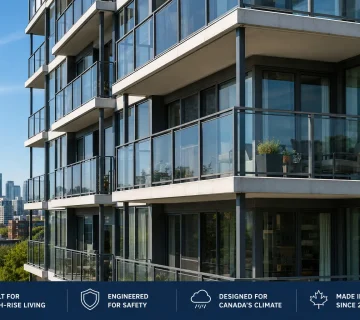
This is one reason glass systems are common on modern homes and multi-unit properties. They create a barrier while keeping the design open.
For homeowners comparing privacy and visibility, glass railing systems are worth reviewing. They can be especially useful for raised decks, balconies, and areas where the railing should feel elegant rather than bulky.
If you are planning in Ontario, it is also smart to confirm requirements through Ontario’s Building Code or your municipality before finalizing height, mounting, or layout details.
3. Choose Aluminum Privacy Panels for a Clean Modern Look
Aluminum privacy panels are a strong choice when you want structure, durability, and a more defined boundary.
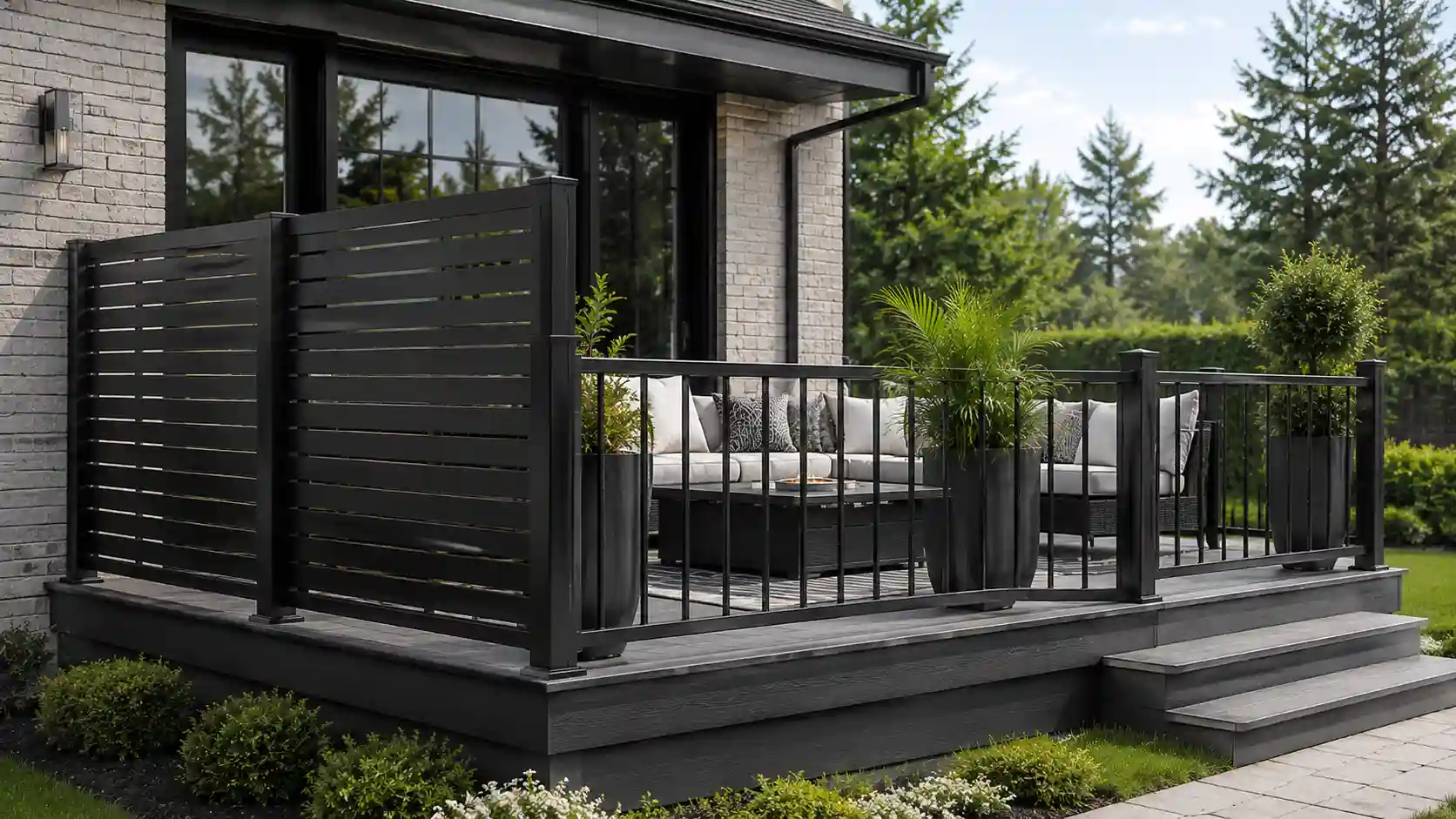
Unlike wood, aluminum does not need regular staining or sealing. It also works well with modern exterior finishes, black railing systems, and clean architectural lines. For many outdoor spaces, aluminum gives privacy without the heavy look of a traditional solid wall.
This option works especially well for:
- Backyard decks
- Side yards
- Patio edges
- Garden seating areas
- Commercial outdoor spaces
- Properties that need a low-maintenance privacy upgrade
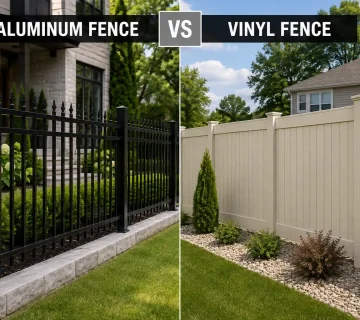
Aluminum also pairs naturally with aluminum fences when the project extends beyond the deck. For example, a homeowner may use railing on the raised deck and fencing along the property edge. A builder may use privacy panels in one area and picket-style railing in another.
When people search for deck privacy railing ideas, they often want something attractive but practical. Aluminum panels are a strong answer because they offer a more permanent, finished look than temporary screens.
They also work well when the goal is privacy, security, and long-term curb appeal.
4. Use Vinyl Dividers for Shared Decks and Balconies
Shared outdoor spaces need privacy in a different way.
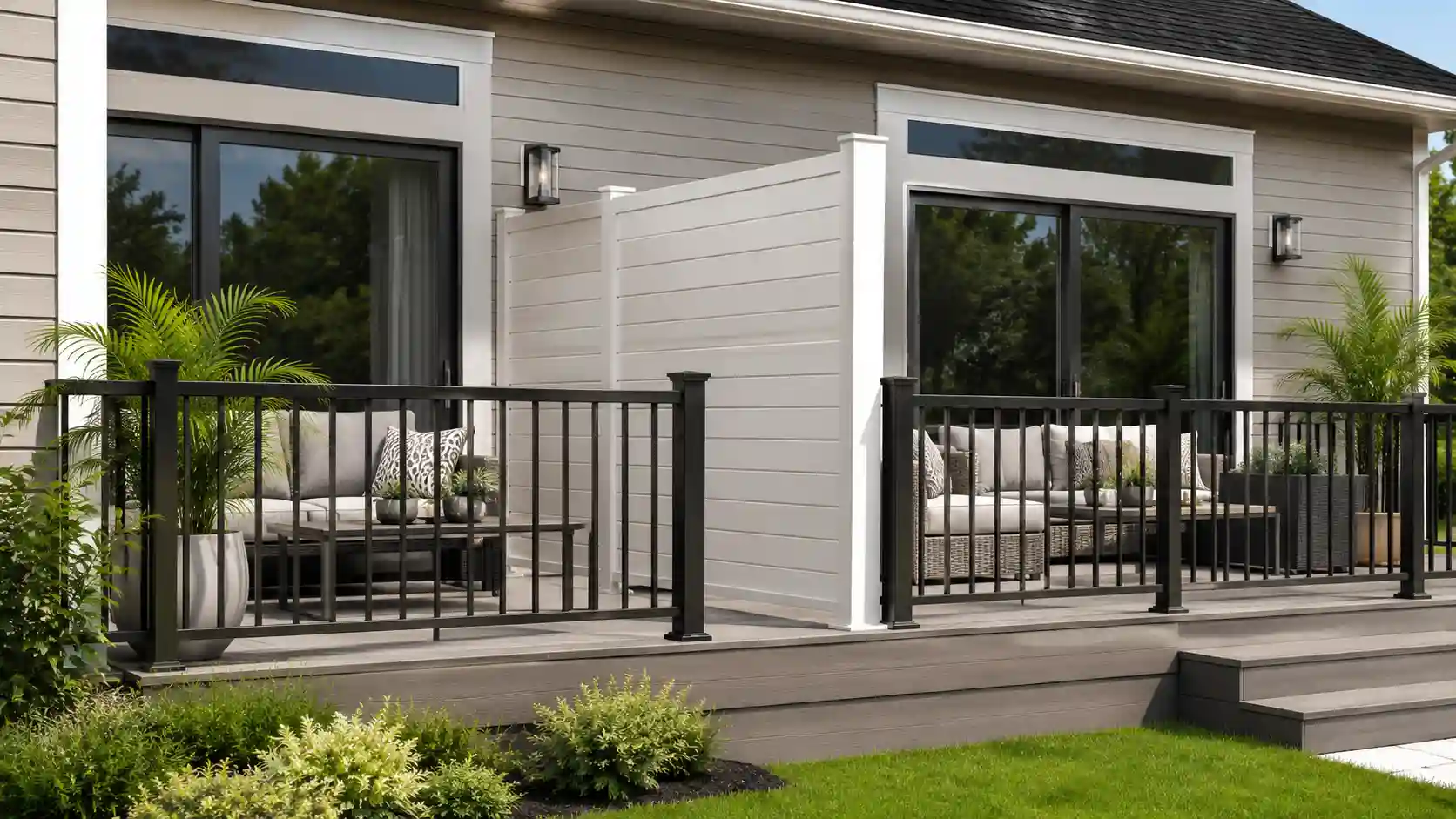
A single-family deck may need privacy from a neighbour. A balcony or multi-unit property often needs separation between units. In those cases, dividers can be more appropriate than standard railing upgrades.
Vinyl dividers are useful because they create a clear boundary between adjacent outdoor areas. They can help residents feel more comfortable using their balcony, terrace, or deck without feeling like they are sharing the same space.
This is one of the most practical deck privacy railing ideas for:
- Condos
- Apartments
- Townhomes
- Low-rise buildings
- Multi-unit residential projects
- Shared rooftop or balcony areas
AlumiguardMFG offers glass and vinyl dividers that can support privacy planning for shared exterior spaces. These systems are especially relevant when the goal is separation, not just decoration.
A common question is whether a divider should be glass or vinyl.
Glass is better when you want light and a more open look. Vinyl is better when the main goal is stronger privacy between spaces. In some projects, both can be used in different areas depending on the exposure.
5. Combine Railings and Planters for Softer Privacy
Not every privacy solution needs to be hard or solid.
Planters can soften the look of railings and help create privacy where people sit, dine, or relax. Tall grasses, evergreens, ornamental shrubs, and climbing plants can make a deck feel more comfortable without adding a permanent wall.
This idea works best when the privacy need is moderate.
For example, planters can help screen a seating area from street view. They can soften the edge of an aluminum railing. They can also create a visual buffer around a patio without making the area feel enclosed.
However, planters should not be treated as a substitute for a proper guard, handrail, or structural railing. They are a design layer, not the safety system.
For a safe and practical design, use planters to support the railing layout rather than replace it. If the railing itself needs attention, AlumiguardMFG’s deck railing inspection checklist is a helpful starting point before adding anything new to an existing deck.
6. Add Privacy on the Side, Not the Front
Many decks do not need privacy on every side.
In fact, one of the best deck privacy railing ideas is to keep the front open and add privacy only along the side. This works especially well when the front of the deck faces a yard, pool, garden, ravine, or open view.
Side privacy can block views from neighbouring homes while keeping the best part of the deck open.
This approach is useful for:
- Narrow urban lots
- Semi-detached homes
- Townhomes
- Side-by-side decks
- Backyards with close lot lines
- Decks near walkways or driveways
A side divider can also help with wind, especially on exposed decks. Glass or aluminum may be more suitable than fabric where wind exposure is a concern.
If your project involves an elevated area, stairs, or open edges, it also helps to understand the difference between guards and handrails. AlumiguardMFG’s guide on guard vs handrail explains why these terms matter before choosing a railing system.
7. Use Frosted Glass Where Clear Glass Feels Too Open
Clear glass railings are beautiful when the view is the priority. But in close neighbourhoods, clear glass may not provide enough privacy.
Frosted glass is a strong middle ground.
It allows light to pass through while reducing direct visibility. That makes it useful for balconies, pool-facing decks, rooftop terraces, and side-facing railing sections.
Frosted glass can also make a space feel more polished than fabric privacy screens. It looks intentional and works well with modern aluminum framing.
A common question is: “Will frosted glass make the deck feel closed in?”
Usually, no. Compared with solid walls or dark panels, frosted glass keeps the space brighter. The result is privacy without the visual weight.
For homeowners exploring modern options, exterior glass railings can offer useful design context before deciding whether clear, frosted, framed, or frameless glass is the best fit.
8. Match Privacy Materials to the Home’s Exterior
Privacy should never look like an afterthought.
The best deck privacy railing ideas match the home’s exterior materials, colours, and lines. A modern home may look best with black aluminum and glass. A traditional home may suit decorative aluminum, picket railings, or a more detailed railing profile. A commercial property may need a cleaner, more repeatable system that works across multiple units.
Material matching matters because privacy panels are often more visible than standard railings.
Before choosing, look at:
- Window frames
- Door colour
- Exterior siding
- Decking material
- Fence style
- Roofline
- Existing railings
- Neighbouring exterior features
For example, if the home already has black window frames, black aluminum privacy panels may feel natural. If the backyard already includes aluminum fencing, a compatible railing or divider system can make the outdoor space feel more connected.
If the goal is more detail and character, deco railings may be a better fit than a flat panel.
9. Think About Privacy and Maintenance Together
Privacy upgrades should make outdoor living easier, not harder.
Wood screens can look warm, but they may need staining, sealing, sanding, or replacement over time. Fabric screens can be affordable, but they may fade, tear, sag, or look temporary. Plants are beautiful, but they need watering, trimming, and seasonal care.
Aluminum, glass, and vinyl are often easier for long-term maintenance.
That does not mean they require no care at all. Glass should be cleaned to maintain clarity. Powder coated aluminum should be washed gently to remove dirt, salt, and debris. Vinyl dividers should be checked and cleaned as part of regular seasonal maintenance.
For practical care tips, AlumiguardMFG’s guide to powder coated aluminum railings is a useful resource for keeping exterior aluminum looking its best.
The key is to choose a privacy system that fits your lifestyle.
If you want a low-maintenance deck, avoid privacy upgrades that add constant upkeep.
10. Check Fence, Deck, and Privacy Screen Rules Early
Privacy projects can involve more than design.
Depending on your location and project type, fence height, pool enclosures, guards, balcony dividers, and privacy screens may be subject to municipal or building requirements. This is especially important in Toronto and other GTA municipalities where fence and pool enclosure rules can vary by location and use.
Before installing a tall privacy feature, review local requirements. For Toronto properties, the City’s information on fences is a helpful starting point. For broader construction planning, the National Research Council Canada provides information on Canadian code publications.
This does not mean every privacy idea is complicated. It simply means privacy should be planned before fabrication or installation.
A privacy screen added after the fact may create issues if it changes height, wind exposure, visibility, or the way a railing is used.
If your project includes a pool, privacy planning should be kept separate from pool enclosure compliance. AlumiguardMFG’s article on Toronto pool fence requirements is a better fit for that specific topic.
11. Plan Privacy for the Way the Space Is Actually Used
A deck used for morning coffee does not need the same privacy as a deck used for evening dinners.
A balcony used by one person does not need the same layout as a shared multi-unit outdoor area. A commercial patio does not need the same solution as a private backyard.
That is why the strongest deck privacy railing ideas come from real use.
Ask these questions before choosing a system:
- Where do people sit most often?
- Which direction feels most exposed?
- Is the goal privacy, wind control, shade, or security?
- Should the space still feel open?
- Does the view matter?
- Is this a residential, commercial, or multi-unit project?
- Will the system connect to stairs, gates, fences, or dividers?
- Does the project need wood-floor or concrete-floor installation planning?
For wood deck applications, it may help to review picket railing wood floor installation. For concrete surfaces, compare that with picket railing concrete floor installation. Glass systems also need the right mounting approach, whether on wood floors or concrete floors.
The mounting surface matters because privacy features add design value only when the base system is properly planned.
Best Deck Privacy Railing Ideas by Space Type
Different spaces call for different privacy strategies.
For a small urban deck, side panels or frosted glass can create comfort without reducing usable space. For a larger backyard deck, aluminum privacy panels may create stronger separation. For a balcony, glass or vinyl dividers may be more practical than railing changes. For a rooftop terrace, wind, weight, height, and visibility all need careful review.
Here is a simple breakdown:
| Space type | Recommended privacy direction |
| Small backyard deck | Side privacy panel plus open front railing |
| Elevated deck with view | Glass railing with selective frosted sections |
| Condo balcony | Glass or vinyl divider between units |
| Townhome deck | Aluminum side screen or privacy divider |
| Pool-adjacent deck | Separate privacy planning from pool fence compliance |
| Commercial patio | Durable aluminum, glass, or divider system |
| Rooftop terrace | Engineered railing and divider planning |
This kind of comparison helps prevent a common mistake: choosing a privacy product because it looks good in a photo, not because it fits the actual property.
Local Privacy Planning in Toronto, Mississauga, Vaughan, North York, and the GTA
Outdoor privacy needs can vary across the GTA.
Toronto properties may have tighter lots and more side exposure. Mississauga homes may have larger decks or backyard entertaining areas. Vaughan properties may combine modern glass, aluminum railings, and backyard fencing. North York projects may involve older decks, exterior stairs, or multi-unit balconies.
The basic planning idea stays the same: choose privacy that supports the railing system, the property layout, and the way people use the space.
If you are comparing local railing options, AlumiguardMFG has dedicated pages for glass and picket railings in Toronto, Mississauga, Vaughan, North York, and the broader GTA.
These pages can help connect general privacy ideas to real service areas and project types.
For Builders, Contractors, and Property Managers
Deck privacy railing ideas are not only for homeowners.
Builders, contractors, wholesalers, and property managers often need repeatable systems that are durable, clean-looking, and practical to install. A privacy solution for one backyard may be custom. A privacy solution for a multi-unit property may need consistency across multiple balconies or decks.
That is where planning matters.
Contractors may need pre-assembled railing systems, compatible dividers, matching finishes, installation details, or product options that work across wood and concrete surfaces. Developers may need durable privacy solutions for townhomes, low-rise buildings, or commercial exterior spaces.
For larger supply and partnership inquiries, AlumiguardMFG’s Business Opportunities page is a useful next step. For a broader overview of product categories, the services page outlines railings, glass railings, dividers, fences, and deco railing solutions.
Choosing the Right Privacy Railing Starts With a Clear Plan
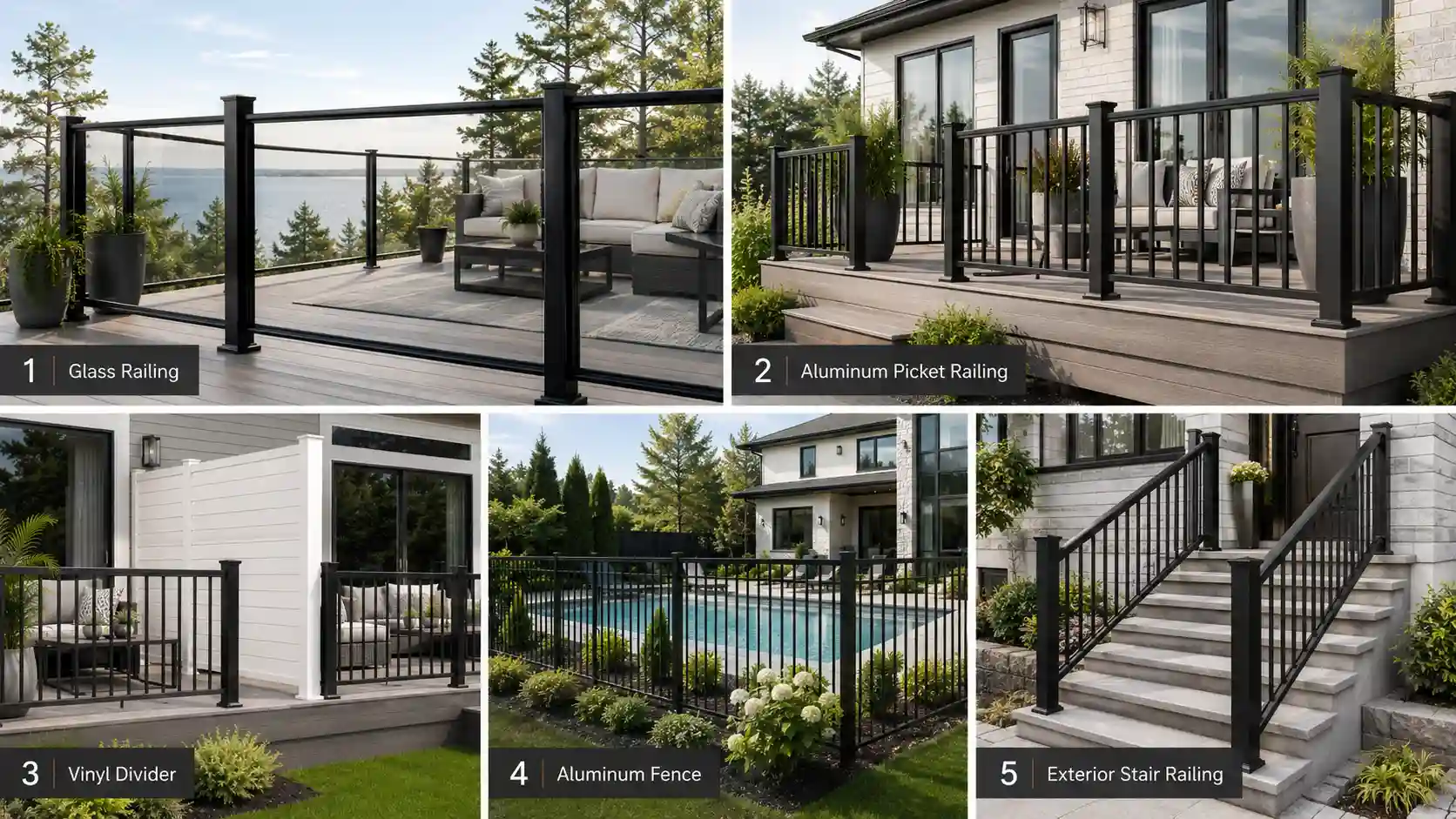
The best privacy upgrade is not always the tallest panel or the most expensive system.
It is the option that fits the deck, protects the view where needed, blocks exposure where it matters, handles weather, matches the property, and works with the railing design instead of against it.
For some projects, that means frosted glass. For others, it means a vinyl divider, aluminum privacy panel, side screen, planter combination, or full exterior railing update. In many cases, the strongest result comes from combining materials in a thoughtful way.
AlumiguardMFG manufactures and supplies railing, fencing, divider, and exterior aluminum solutions for residential, commercial, and multi-unit projects across Toronto and the GTA. If you are comparing aluminum railings, glass railings, glass and vinyl dividers, aluminum fences, or exterior aluminum railings, the team can help you match privacy goals with the right product direction.
To learn more about the company’s approach, visit About AlumiguardMFG. When you are ready to discuss a deck, balcony, fence, divider, or railing privacy project, contact AlumiguardMFG to get started.