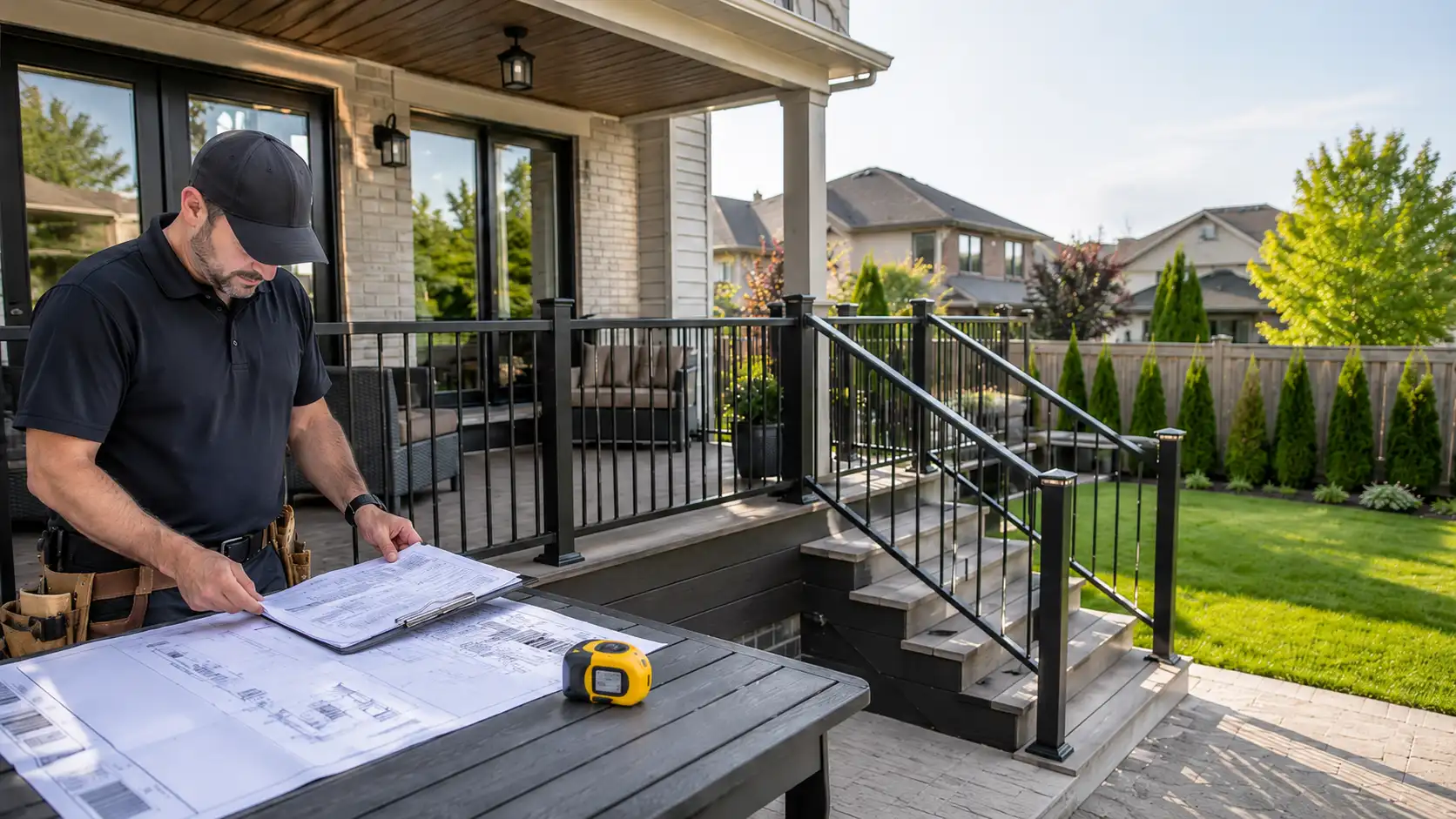
Deck railing permit Ontario questions often come up right when a homeowner, contractor, or property manager is ready to start work. The deck may look simple. The railing may seem like a straightforward replacement. The plan might only involve swapping old wood rails for aluminum, glass, or a cleaner modern system.
Then the practical questions begin.
Do you need a permit to replace deck railings? Does a new guard count as structural work? What if the deck is already built? What if only the railing is being upgraded? And how do you avoid delays once materials, installers, and project timelines are already lined up?
This guide explains the key planning points behind a deck railing permit Ontario decision in plain language. It is not legal advice, and local requirements can vary by municipality, but it will help you understand what to check before moving ahead with a railing project.
For homeowners, this can prevent surprise delays. For builders and contractors, it can support smoother coordination. For landlords, condo boards, developers, and investors, it can help protect the property, budget, and people who use the space.
Why Deck Railing Permits Matter
A railing is not just a finishing detail. On a raised deck, balcony, porch, stair, rooftop terrace, or exterior landing, the railing may also function as a guard. That means it helps prevent falls and supports safer movement around an elevated surface.
This is why deck railing permit Ontario research should happen before installation, not after. A railing that looks attractive still needs to make sense for the location, height, opening, mounting surface, and expected use.
In Ontario, deck projects may involve requirements connected to the Building Code Act, the Ontario Building Code, and local municipal building departments. A municipality may also have its own permit process, deck guide, zoning notes, or inspection expectations. For example, homeowners in Toronto may review local guidance through the City of Toronto’s deck and porch permit information before starting.
The goal is not to make the project complicated. The goal is to avoid a situation where a railing is installed, then later questioned because the height, spacing, attachment, drawings, or site condition was not reviewed properly.
When a Deck Railing Permit May Be Needed
The first thing to understand is that permit needs are not always based on the railing alone. They often depend on the overall scope of work.
A small cosmetic repair may be treated differently from a full deck rebuild. A direct railing replacement may be viewed differently from adding a new deck, changing stairs, expanding a platform, altering structural framing, or modifying a balcony guard.
That is why a deck railing permit Ontario question should start with the full project description, not just the product being installed.
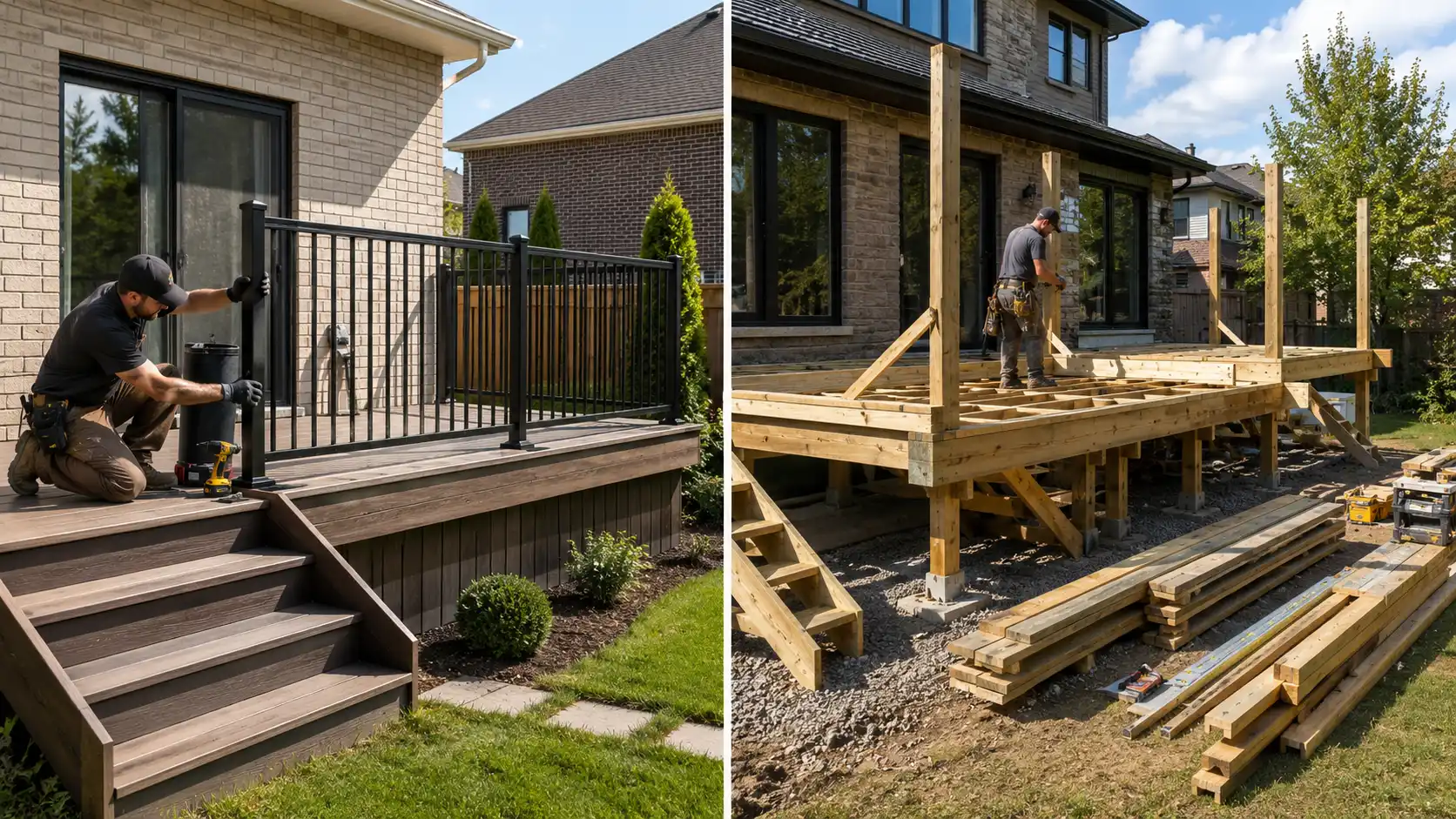
You may need to check permit requirements when the project includes:
- Building a new deck, balcony, porch, stair, or landing
- Replacing a guard on an elevated walking surface
- Changing the deck layout, size, or height
- Changing stairs or access points
- Installing railings on concrete, wood, or structural surfaces that need proper anchoring
- Adding glass panels, privacy dividers, gates, or fence sections near a deck
- Working on a rental, multi-unit, commercial, or high-traffic property
A common question is, “If I am only replacing the railing, do I need a permit?” The honest answer is: it depends on your municipality, the condition of the deck, and whether the replacement affects safety or structure. If the old railing was unsafe, too low, loose, poorly attached, or not suited to the deck height, the replacement should be treated carefully.
Before approving work, it can help to review the difference between a guard and a handrail. AlumiguardMFG’s guide on guard vs handrail requirements for Ontario decks is a useful companion article because many permit and code questions begin with understanding what the railing is supposed to do.
Deck Railing Permit Ontario Rule 1: Confirm the Scope Before You Shop
The smartest first step is to define the project clearly.
Are you replacing only the railing? Are you rebuilding the deck boards? Are posts being moved? Are stairs changing? Is the railing being mounted to wood framing, concrete, fascia, or another surface? Is the work residential, commercial, multi-unit, or investor-owned?
This matters because a deck railing permit Ontario decision can change when the scope expands. A homeowner might think they are doing a simple railing upgrade, but once stairs, structural posts, ledger connections, or deck framing are involved, the project may need more review.
Before requesting quotes, write a short project scope. Include the deck location, approximate height above grade, railing length, stair sections, mounting surface, preferred railing style, and whether any existing materials will be removed.
This also makes it easier to compare pricing. If you are collecting multiple estimates, AlumiguardMFG’s guide on how to compare railing quotes can help you look beyond the lowest number and focus on materials, drawings, installation details, and long-term value.
Deck Railing Permit Ontario Rule 2: Check the Walking Surface Height
Height is one of the biggest reasons railing requirements become important.
A low platform close to grade may not raise the same concerns as a higher deck, balcony, or landing. Once there is a meaningful fall risk, the railing system may need to act as a guard, which brings more attention to height, strength, openings, and attachment.
For many projects, property owners ask: “How high does my deck railing need to be?” The answer depends on the building type, deck height, and applicable local requirements. That is why you should check with your municipality or qualified professional before finalizing a railing design.
Ontario also provides general consumer guidance for deck projects through resources such as building or buying a deck, which can help homeowners understand why planning and code awareness matter before construction begins.
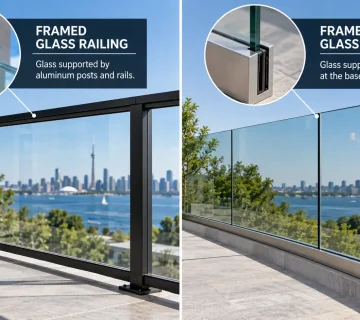
For railing selection, this is where product choice meets safety planning. Aluminum deck railing systems can work well for many residential and commercial projects because they are durable, low maintenance, and adaptable to different layouts. Glass railings may be preferred where visibility, light, and an open view are important.
Deck Railing Permit Ontario Rule 3: Do Not Ignore the Mounting Surface
A railing is only as reliable as the surface and structure it connects to.
This is one of the most important parts of deck railing permit Ontario planning. Even a high-quality railing can perform poorly if it is fastened into weak wood, deteriorated framing, cracked concrete, poor blocking, or an edge condition that was not designed for the load.
For wood decks, the installer may need to consider blocking, joists, lag screws, post locations, and long-term moisture exposure. For concrete surfaces, the focus may shift to anchors, edge distances, base plates, drilling, and slab condition.
AlumiguardMFG provides installation process pages that can help property owners understand how mounting conditions affect railing planning, including picket railing on wood floors, glass railing on wood floors, picket railing on concrete floors, and glass railing on concrete floors.
If the deck framing feels soft, bouncy, wet, cracked, or unstable, do not treat the railing as a cosmetic upgrade. Inspect the structure first. AlumiguardMFG’s deck railing inspection checklist is a practical starting point for spotting movement, loose fasteners, glass damage, coating issues, and other warning signs before work begins.
What Details Officials and Professionals May Look At
Permit review and professional planning are not just about whether a railing looks good. The important details are usually the ones that affect safety, usability, and long-term performance.
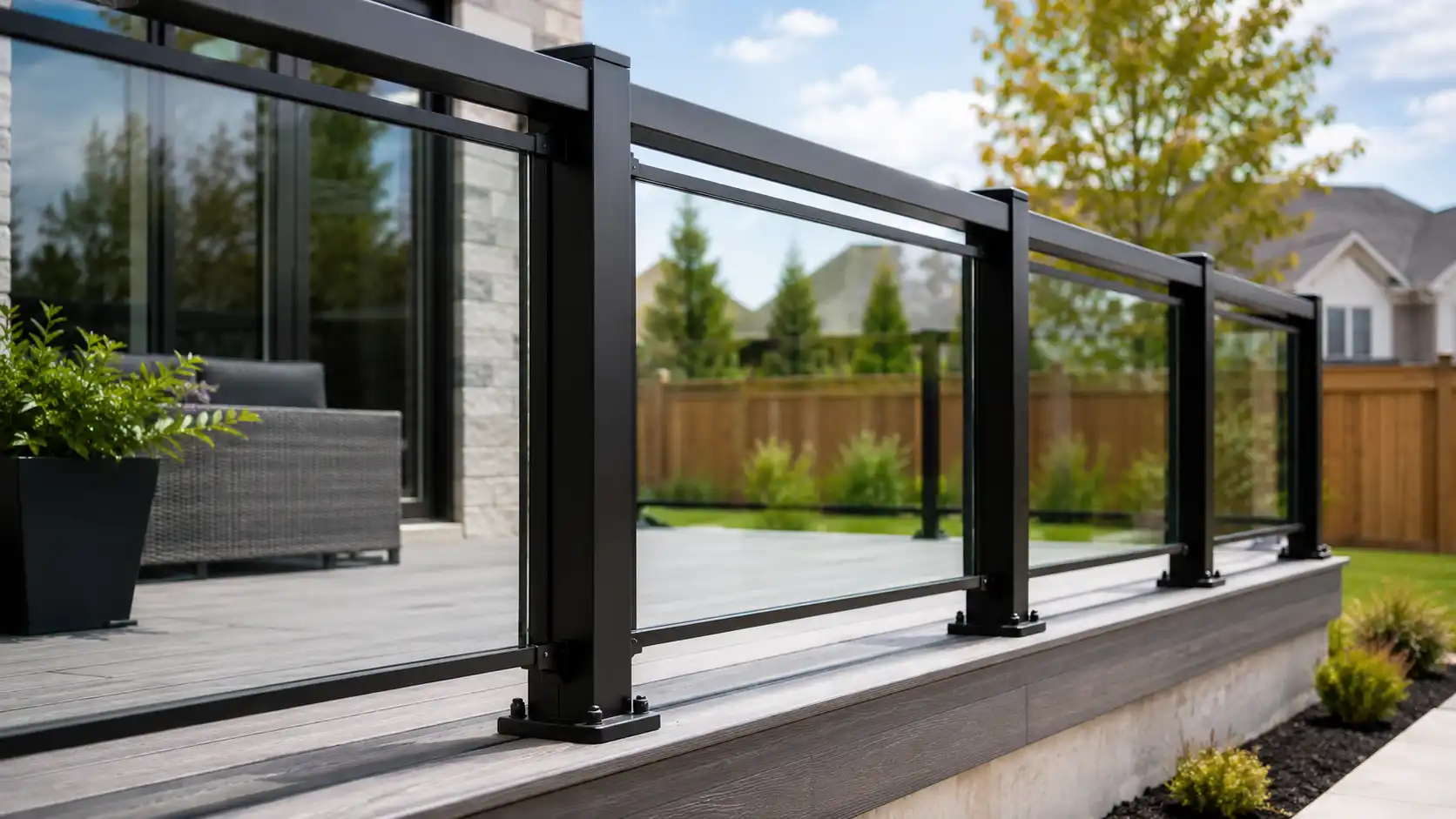
Here is a simple breakdown of common details to review before a deck railing project moves forward:
| Detail to Review | Why It Matters | What to Check Before Installation |
|---|---|---|
| Railing height | Helps reduce fall risk from elevated surfaces | Confirm local requirements for the deck height and property type |
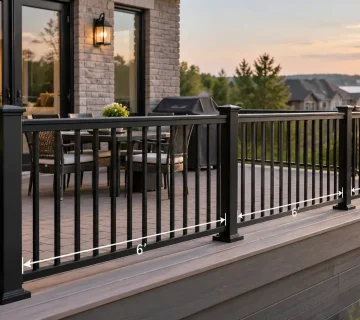
| Post spacing | Affects strength, layout, and visual consistency | Review drawings or layout before fabrication |
| Openings and gaps | Helps prevent unsafe spacing in guard systems | Check picket spacing, glass gaps, and bottom clearance |
| Mounting method | Determines how the railing connects to the structure | Confirm wood, concrete, fascia, or top-mount conditions |
| Material choice | Affects maintenance, appearance, and durability | Compare aluminum, glass, dividers, and fence options |
| Site exposure | Weather, salt, wind, and traffic affect long-term performance | Choose finishes and systems suited to Ontario conditions |
This is where deck railing permit Ontario planning becomes useful even when a permit is not the only concern. The same details that help with approvals also help create a better finished railing.
Deck Railing Permit Ontario Rule 4: Use Drawings When the Project Has Complexity
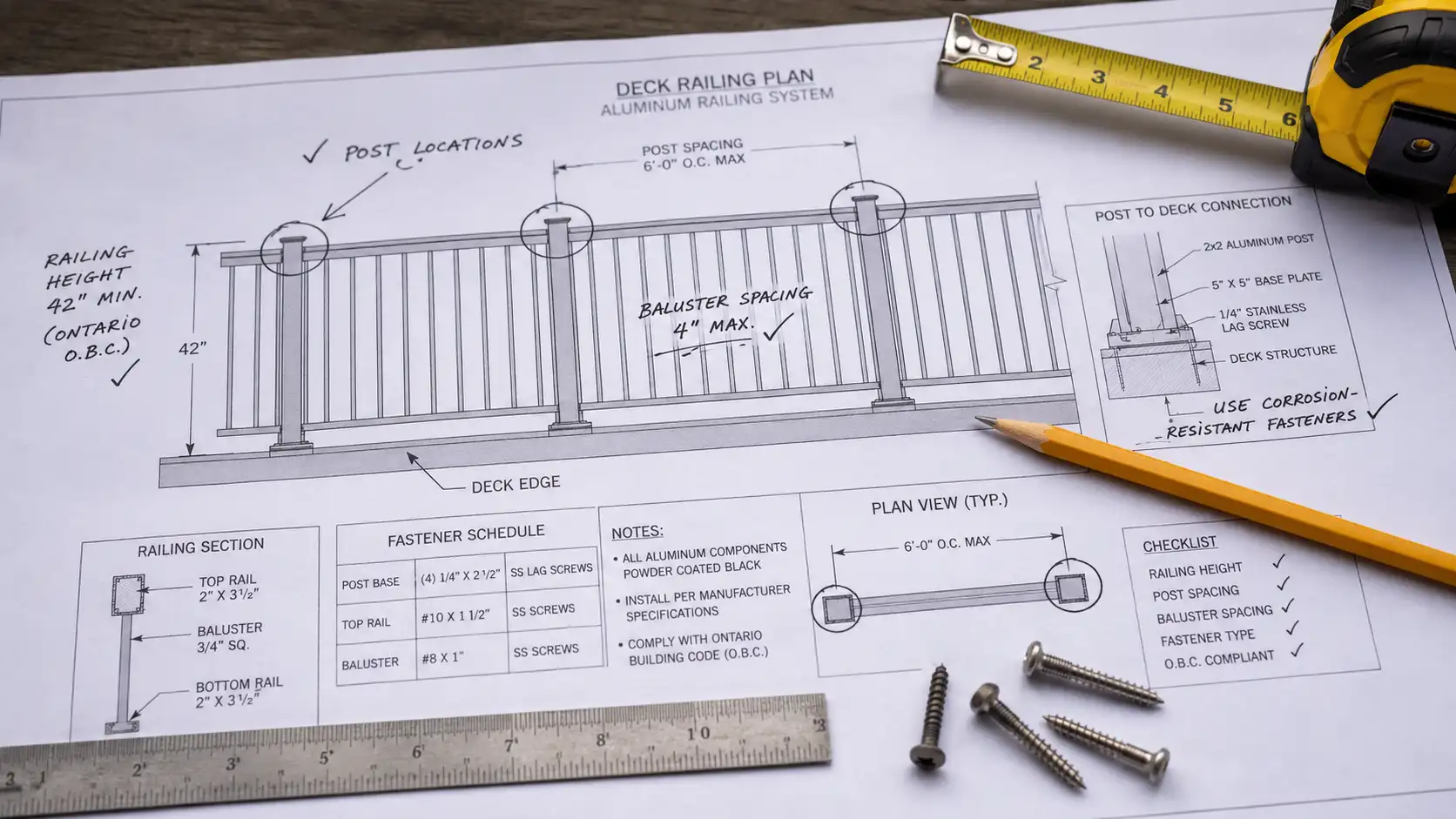
Not every small railing repair needs complex drawings. But once a project involves custom layouts, multiple levels, stairs, glass panels, dividers, concrete connections, commercial spaces, or multi-unit properties, drawings become much more valuable.
Drawings help show what will be built, where posts will land, how panels will be sized, how the railing connects, and whether the final layout makes sense before fabrication begins.
For a more detailed explanation, review AlumiguardMFG’s article on railing shop drawings. It explains why drawings can prevent costly mistakes before materials are cut, drilled, finished, or prepared for installation.
A common question is, “Are shop drawings the same as permit drawings?” Not always. Permit drawings are typically used for municipal review. Shop drawings are more focused on fabrication and installation details. Depending on the project, both may be useful.
If the project involves a builder, architect, engineer, or property manager, ask who is responsible for drawings, measurements, approvals, and final sign-off. Clear responsibility helps avoid delays.
Deck Railing Permit Ontario Rule 5: Choose Materials That Match the Property
Permits and code checks are not the only part of planning. The material itself should match the property’s use, weather exposure, maintenance expectations, and design goals.
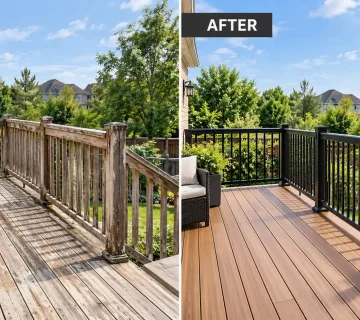
Aluminum is a strong choice for many exterior railing projects because it resists rust, works well in Ontario weather, and can be powder coated for a clean finish. If you are planning a front porch, backyard deck, balcony, or exterior stair, exterior aluminum railings can offer a practical balance of durability and curb appeal.
Glass railings are useful where the view matters. They are common on decks, balconies, stairs, terraces, and modern exterior spaces where homeowners want safety without visually closing in the area.
For shared outdoor spaces, glass and vinyl dividers may support privacy planning. If privacy is part of your project, AlumiguardMFG’s article on deck privacy railing ideas can help you think through side screening, shared balconies, and comfort without making the outdoor space feel boxed in.
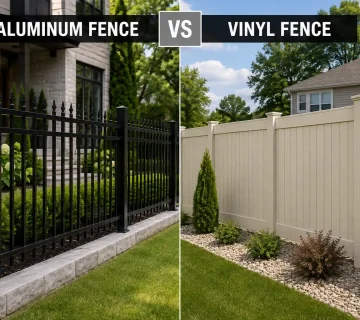
For property edges, gardens, pool areas, or larger boundaries, aluminum fences may be more appropriate than railings. And if your project is near a pool, it is also worth reviewing AlumiguardMFG’s article on Toronto pool fence requirements because pool enclosures can involve different safety and permit considerations.
Deck Railing Permit Ontario Rule 6: Think About Location-Specific Requirements
A deck railing project in Toronto may not move through the same process as a similar project in Mississauga, Vaughan, North York, Scarborough, or another GTA municipality. Local building departments may have different forms, review processes, zoning considerations, inspection steps, or expectations for drawings.
This is why a deck railing permit Ontario search should eventually become a local check. Start with the province-wide concept, then confirm the municipal process where the property is located.
For example, property owners can review service-area information for aluminum railings in Toronto, aluminum railings in Mississauga, and aluminum railings in North York to connect railing options with local project planning.
Commercial and multi-unit properties deserve extra care. A railing for a single-family backyard deck is different from a railing system for a rental building, condo, office entrance, restaurant patio, or high-rise exterior space. In higher-traffic settings, durability, engineering, documentation, and installation consistency matter even more.
For larger property owners, builders, and business partners, AlumiguardMFG also has a business opportunities page that may be useful for Canadian dealers, contractors, and investor-focused property groups looking for railing and exterior product support.
Deck Railing Permit Ontario Rule 7: Avoid the “Replace First, Ask Later” Mistake
One of the most expensive mistakes in railing work is assuming approval will be easy after the project is already done.
If the railing height is wrong, the posts are poorly located, the openings are too large, the mounting surface is weak, or the drawings do not match the finished work, fixing the issue may cost more than planning properly from the beginning.
A better approach is to ask the important questions early:
- Is this a repair, replacement, alteration, or new build?
- Does the municipality require a permit for this scope?
- Does the railing act as a guard, handrail, divider, fence, or combination?
- Is the deck surface wood, concrete, composite, or another material?
- Are stairs, gates, glass panels, privacy screens, or pool areas involved?
- Are drawings, engineering, or inspections needed?
- Who is responsible for final measurements and approval?
This type of planning makes a deck railing permit Ontario decision less stressful. It also helps you have better conversations with suppliers, installers, contractors, and building officials.
How Homeowners Can Prepare Before Calling a Railing Company
You do not need to be a building expert before contacting a railing manufacturer or installer. But a little preparation can make the first conversation much more productive.
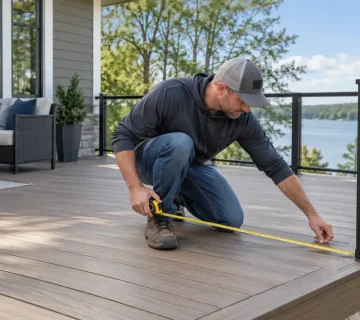
Take photos of the deck from several angles. Measure the approximate railing runs. Note whether the deck is wood or concrete. Check whether stairs are involved. Look for loose posts, soft boards, rusted fasteners, cracked concrete, or old railing movement.
Also think about what you want the railing to accomplish. Is the goal better safety? A cleaner appearance? A more open view? Less maintenance? More privacy? Better long-term value for a rental or resale property?
For example, a homeowner with a raised backyard deck may prefer aluminum picket railings for strength and simplicity. A property with a scenic view may prefer glass railings. A shared balcony may need glass or vinyl dividers. A front exterior stair may need a clean, durable handrail solution. A commercial property may need a more robust system designed for frequent use.
When these details are clear, the deck railing permit Ontario conversation becomes easier because the project can be evaluated as a complete system, not just a product order.
What About Repairs Instead of Full Replacement?
Sometimes the best question is not “Do I need a new railing?” but “Is the existing railing still safe?”
If a railing is only dirty, scratched, or showing minor finish wear, maintenance may be enough. AlumiguardMFG’s guide on powder coated aluminum railing care explains how gentle cleaning and inspection can help keep aluminum railings looking better over time.
But if the railing moves, posts are loose, glass is chipped, anchors are rusted, wood below the posts is soft, or the layout does not feel safe, repairs should be taken seriously. A railing that protects people from a fall should never be treated as decoration only.
If the repair changes important safety details, confirm whether municipal review is needed. A deck railing permit Ontario check is especially wise when the project involves elevated surfaces, rental properties, shared spaces, or major component replacement.
Planning a Safer Railing Project With AlumiguardMFG
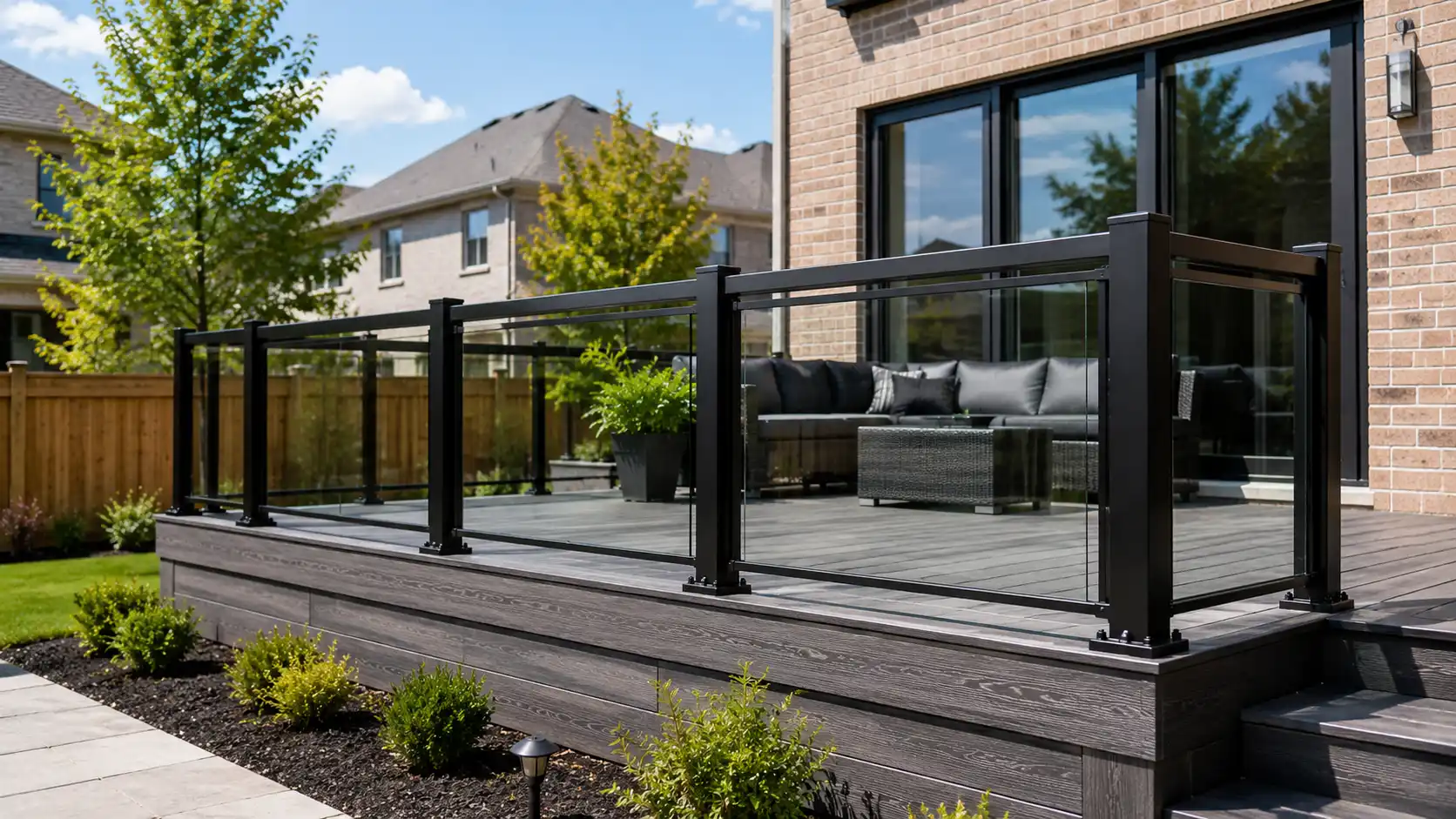
Understanding deck railing permit Ontario requirements is not about slowing your project down. It is about making sure the finished railing is planned properly, built with the right materials, and suited to the property.
AlumiguardMFG manufactures and supplies railing systems for residential and commercial properties across Toronto and the GTA, including aluminum railings, glass railings, exterior aluminum railings, aluminum fences, glass and vinyl dividers, and deco railings.
If you are replacing an old deck railing, planning a new exterior railing system, comparing aluminum and glass options, or preparing for a larger contractor or investor project, the right next step is to define the scope, check local permit expectations, and choose a railing system that fits the site.
For project guidance, product options, measurements, fabrication details, or service-area support, visit the AlumiguardMFG homepage or reach out through the contact page. A safer, cleaner railing project starts with good planning before installation begins.