
How to compare railing quotes starts with one simple idea: the lowest number on the page is not always the best value.
A railing system is more than a finishing detail. It affects safety, curb appeal, maintenance, installation timing, compliance, and long-term property performance. That matters whether you are improving a family deck, upgrading a rental property, managing a commercial space, planning a multi-unit build, or investing in exterior improvements across several properties.
Many buyers request two or three quotes and assume they are comparing the same thing. In reality, one quote may include engineered details, high-quality aluminum, proper fasteners, powder-coated finishes, and installation support. Another may leave out drawings, site measurements, hardware, delivery, or code-sensitive details.
That is why learning how to compare railing quotes can protect your budget and your project.
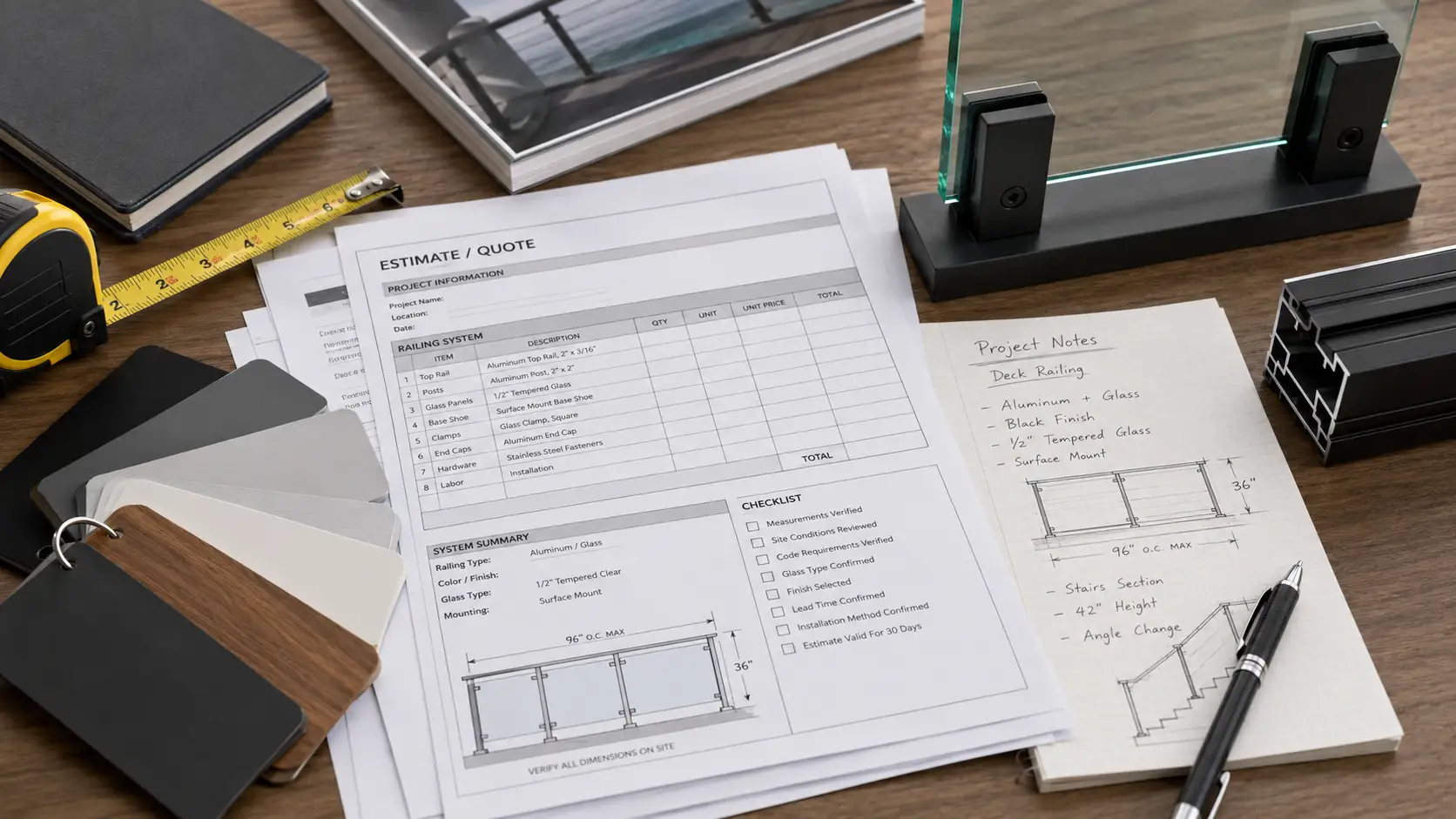
Instead of asking only, “Which quote is cheaper?” the better question is, “What exactly am I getting, and what risk am I avoiding?”
Why Learning How to Compare Railing Quotes Matters
A railing quote should help you understand scope, materials, design, installation, and responsibility. If it only gives a total price with very little detail, it may be hard to know what is included.
This is especially important in Canada, where exterior railings deal with snow, ice, rain, freeze-thaw cycles, road salt, moisture, sun exposure, and heavy seasonal use. For property owners and investors, the wrong railing choice can create maintenance headaches, tenant complaints, inspection issues, or replacement costs sooner than expected.
When you know how to compare railing quotes, you can spot missing information before the project begins. You can also ask better questions about aluminum railings, glass railings, exterior railings, fences, installation surfaces, and long-term durability.
For example, a homeowner replacing a deck railing may need a different quote structure than a contractor ordering railing systems for several units. A landlord may care most about durability and lower maintenance. A builder may care about consistent supply, install speed, drawings, and schedule reliability.
The right quote should match the project type.
1. Start With the Same Project Scope
The first step in how to compare railing quotes is making sure each company is pricing the same scope.
A quote for “deck railing” can mean many different things. It may include aluminum picket railings, glass panels, stairs, gates, fascia mounting, top mounting, concrete anchors, wood deck hardware, custom corners, privacy sections, or removal of existing railings.
Before comparing prices, confirm these basics:
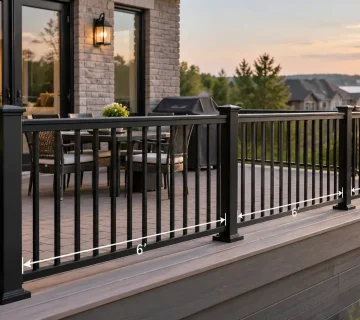
- Total linear footage
- Number of stairs, corners, landings, and gates
- Mounting surface, such as wood, concrete, or fascia
- Railing type, such as aluminum picket, glass, or decorative aluminum
- Finish colour and coating
- Whether fabrication, delivery, and installation are included
- Whether old railing removal is included
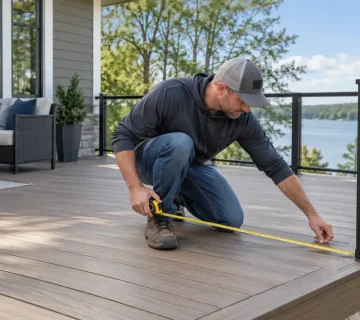
This is where many quotes become misleading. One estimate may include stairs and custom mounting. Another may price only straight railing sections. One may include site measurements. Another may assume your measurements are final.
If you are still choosing a system, review AlumiguardMFG’s aluminum deck railing systems to understand common railing options before requesting a final quote.
2. Compare Materials, Not Just Price
A lower price may reflect a simpler material, thinner components, fewer accessories, or a less complete system. That does not always make it wrong, but it should be clear.
When thinking about how to compare railing quotes, ask what material is being quoted and why it suits the property.
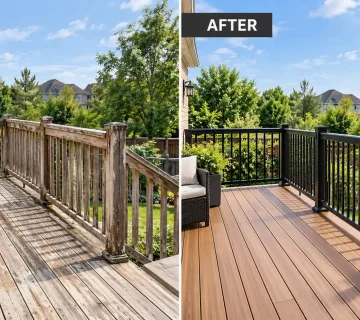
Aluminum railings are popular because they are durable, low maintenance, and resistant to rust. They are a strong choice for decks, balconies, porches, stairs, rental properties, and commercial spaces. If you are comparing aluminum with other materials, AlumiguardMFG’s guide on benefits of aluminum railings for decks can help frame the decision.
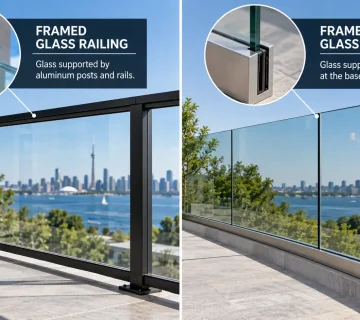
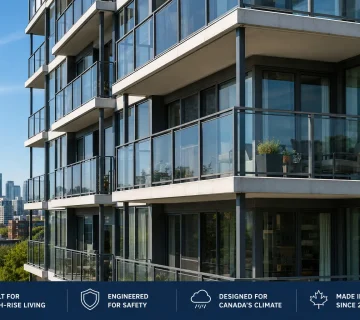
Glass railings are often chosen when the view matters. They can make a deck, balcony, pool area, or high-rise space feel more open. If one quote includes tempered or laminated glass and another simply says “glass panels,” ask for clarification. You can explore related options on the glass railings page.
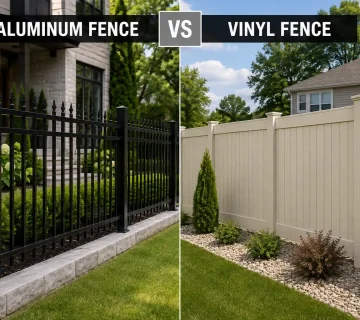
Aluminum fences are a different category. They are often used for yards, pools, gardens, boundaries, commercial properties, and security. If your project includes both railings and perimeter fencing, compare the railing portion separately from the aluminum fencing portion.
3. Check the Finish and Maintenance Expectations
Finish quality affects appearance and long-term care. A railing system may look similar in photos, but the finish can change how well it handles weather, cleaning, fingerprints, fading, and everyday wear.
When you learn how to compare railing quotes, look for finish details such as powder coating, colour options, texture, warranty terms, and maintenance instructions.
A powder-coated aluminum railing can be a strong long-term choice because it provides a clean, durable finish with lower maintenance than wood. However, maintenance still matters. Road salt, dust, pollen, sap, and grime can build up over time.
If one quote includes powder-coated aluminum and another does not explain the finish, ask for more detail. You can also review AlumiguardMFG’s guide to powder coated aluminum railings for care expectations after installation.
For investors, this is not a small detail. A lower-maintenance finish can reduce repainting, staining, and frequent repair concerns across rental, commercial, or multi-unit properties.
4. Review Code, Safety, and Local Requirements Early
A railing is a safety system. It should be planned with height, openings, loading, glass safety, mounting, stairs, guards, and handrails in mind.
This does not mean every buyer needs to become a code expert. It does mean every quote should respect the requirements that apply to the project.
For Ontario projects, it is smart to review official information from the Ontario Building Code updates and broader Canadian code context from Codes Canada. For guardrail safety concepts, the Canadian Centre for Occupational Health and Safety also provides helpful general guidance.
One common question is: “Does every railing quote include code-compliant design?” Not automatically.
Some quotes may assume standard conditions. Others may include site-specific review, measurements, drawings, or engineered documentation. If the project involves a balcony, multi-unit property, commercial site, high-rise, pool area, or unusual mounting condition, ask more questions.
AlumiguardMFG’s article on guard vs handrail is a useful internal resource because it explains why railing terminology matters before choosing a system.
5. Ask Whether Shop Drawings Are Included
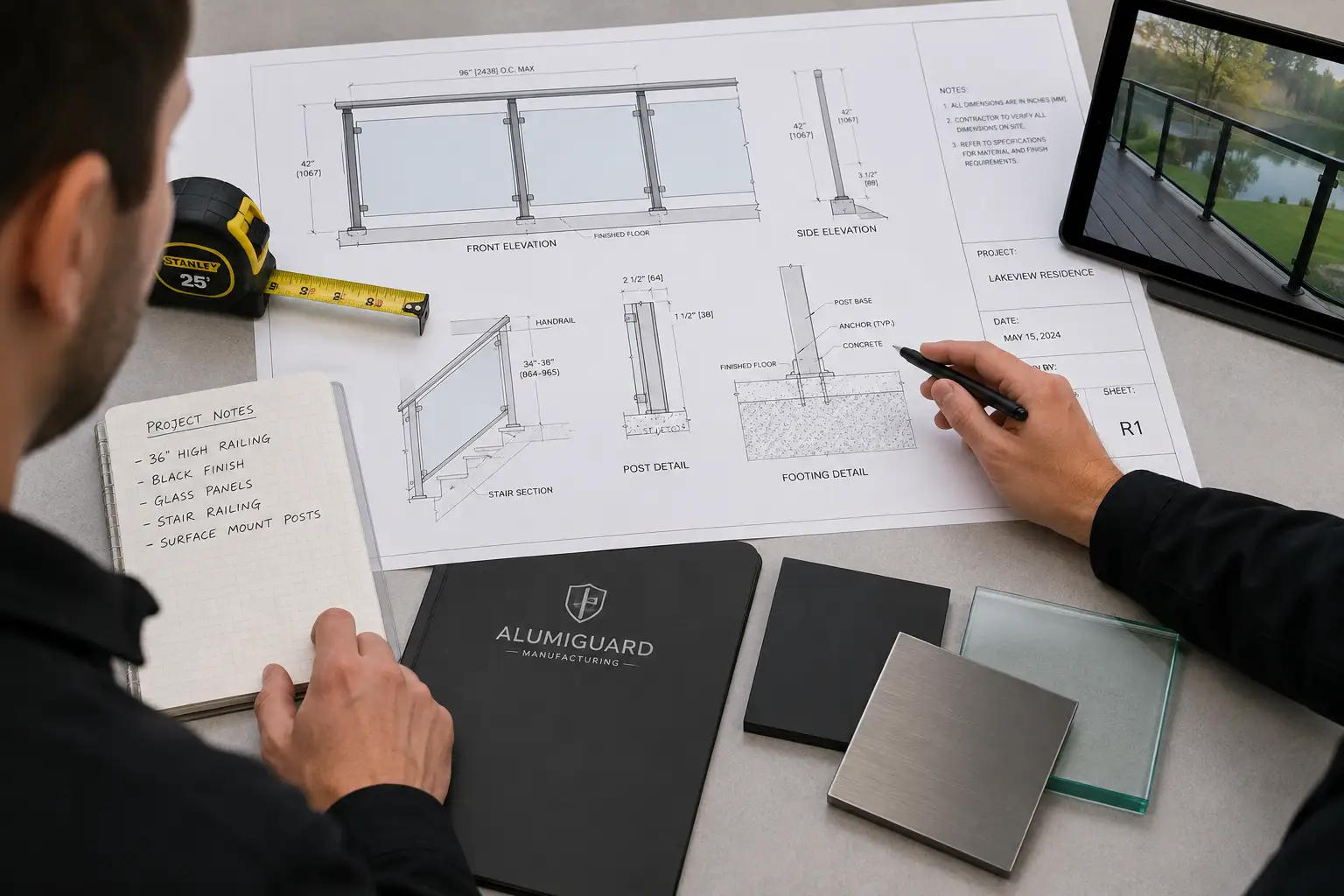
If you want to know how to compare railing quotes for a larger or more complex project, pay close attention to shop drawings.
Shop drawings help connect design intent with fabrication and installation. They can show dimensions, mounting details, profiles, panel layout, post spacing, hardware, and relationship to surrounding work. For contractors, developers, condo boards, property managers, and investors, this can reduce mistakes before material is produced.
A simple residential replacement may not need the same drawing package as a multi-unit or commercial project. Still, the quote should explain what documentation is included.
Ask these questions:
- Are railing shop drawings included?
- Who reviews and approves the drawings?
- Are revisions included or extra?
- Are site measurements confirmed before fabrication?
- Are mounting conditions shown clearly?
AlumiguardMFG’s guide to railing shop drawings explains why drawings can prevent costly delays before fabrication and installation.
6. Compare Installation Details Carefully
Installation scope can change the real cost of a railing project. This is one of the most important parts of how to compare railing quotes because installation is where hidden differences often appear.
A quote may or may not include drilling, anchoring, blocking, fascia mounting, old railing removal, stair work, gate installation, touch-ups, cleanup, or disposal. The quote should also say whether the system is designed for wood or concrete.
For wood deck projects, compare the installation approach with resources such as picket railing wood floor installation or glass railing wood floor installation.
For concrete projects, review the process behind picket railing concrete floor installation and glass railing concrete floor installation.
The mounting surface matters because a strong railing depends on a strong connection. If the structure underneath is weak, damaged, or not ready, the best railing material cannot solve that by itself.
7. Look at Lead Times, Delivery, and Project Scheduling
A railing quote should help you understand timing. This is especially important for builders, contractors, investors, and commercial property managers working around inspections, tenant schedules, seasonal deadlines, or other trades.
Ask when measurements happen, when fabrication begins, how long delivery takes, and what can delay the project. Custom colours, glass requirements, drawings, approvals, and site readiness can all affect timing.
If one quote is cheaper but cannot deliver when you need it, the delay may cost more than the savings.
This is where property investors should think beyond the railing price. A delayed exterior upgrade can affect rental readiness, curb appeal, occupancy, resale preparation, or other trades. A reliable supplier can help protect the whole project schedule.
For contractors and builders evaluating supplier relationships, AlumiguardMFG’s Business Opportunities page is a relevant starting point.
8. Compare Long-Term Value for Buyers and Investors
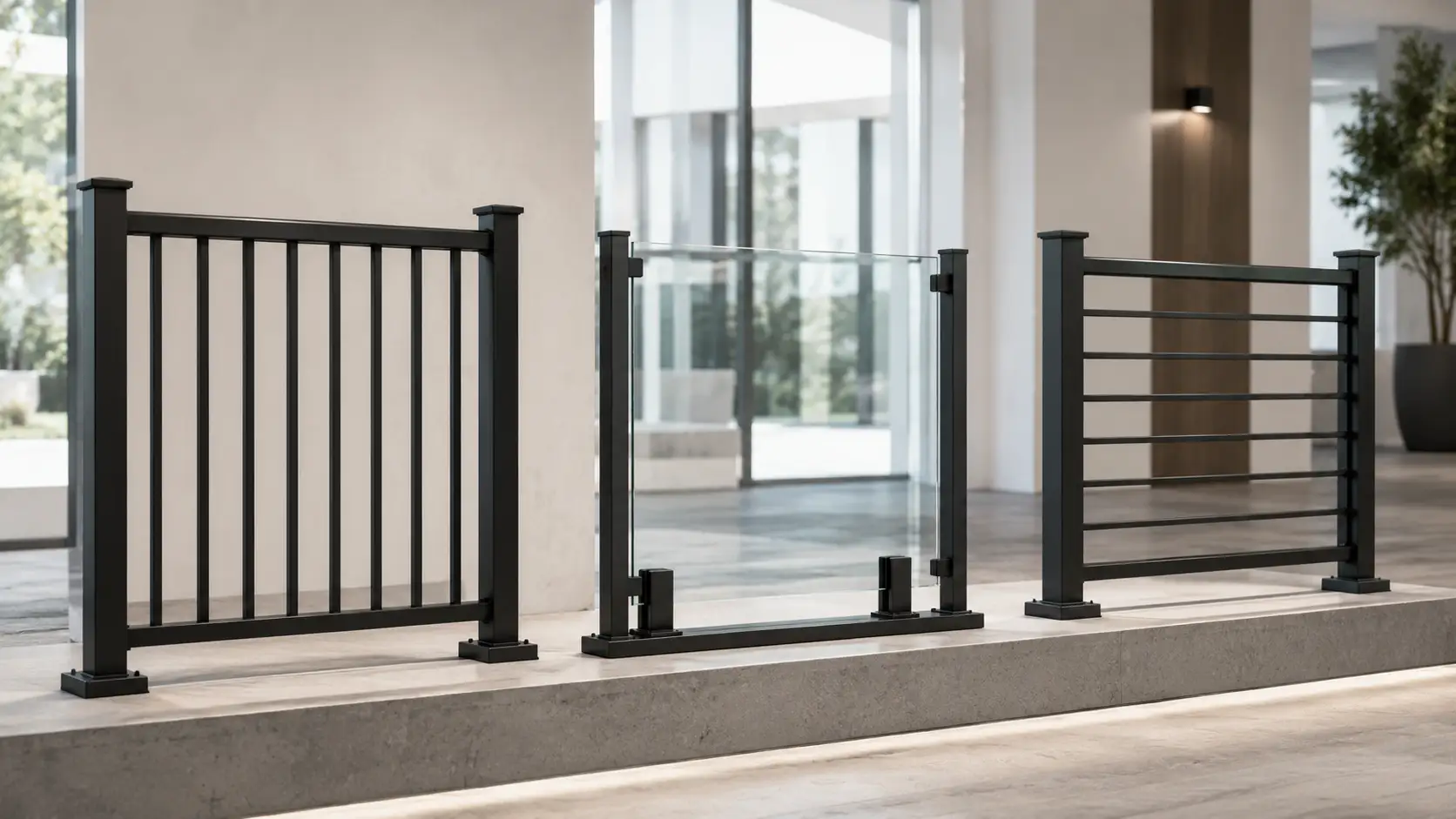
When learning how to compare railing quotes, it helps to separate upfront cost from lifetime value.
A cheaper railing may cost less today but require more maintenance, earlier replacement, repainting, staining, or repairs. A stronger aluminum or glass railing system may cost more upfront but provide better long-term performance.
| Quote Factor | Why It Matters | What to Ask |
|---|---|---|
| Material | Affects strength, maintenance, and lifespan | What aluminum, glass, or finish is included? |
| Finish | Affects appearance and weather resistance | Is it powder coated? What colours are available? |
| Installation | Affects safety and final performance | Is labour, anchoring, and cleanup included? |
| Drawings | Reduces fabrication and site errors | Are shop drawings included for approval? |
| Code planning | Protects against redesign and compliance problems | Are height, guard, handrail, and glass details considered? |
| Timeline | Affects occupancy, trades, and project planning | When can the system be measured, made, and installed? |
This is why how to compare railing quotes is also a return-on-investment question. The best quote supports safety, design, durability, and predictable execution.
9. Watch for Missing Items and Vague Language
A vague quote is not always a bad quote, but it needs follow-up.
Look for unclear terms such as “standard railing,” “basic install,” “hardware included,” “glass included,” or “as discussed.” These phrases may not be specific enough if a disagreement happens later.
When deciding how to compare railing quotes, ask for details in writing. A good quote should make expectations clear before work starts.
Common missing items include:
- Taxes
- Delivery
- Removal of old railing
- Permit-related documentation
- Shop drawings
- Engineering review, if needed
- Stair railing details
- Gate hardware
- Custom colours
- Glass type and thickness
- Site preparation
- Cleanup and disposal
Another common question is: “Should I automatically reject the quote with fewer details?” Not always. But you should ask for clarification before approving it.
A clear quote protects both sides. The buyer knows what is included. The manufacturer or installer knows what is expected. The project is less likely to run into surprises.
How to Compare Railing Quotes for Different Property Types
Not every buyer has the same priorities. That is why how to compare railing quotes should change slightly depending on the project.
For homeowners, the biggest priorities are usually safety, appearance, budget, and low maintenance. A backyard deck, porch, balcony, stair, or pool area should look good and feel secure. If your project involves a pool enclosure, AlumiguardMFG’s guide on Toronto pool fence requirements can help with early planning.
For rental property owners, the focus often shifts toward durability and upkeep. Aluminum railings can make sense because they do not require the same maintenance cycle as wood. A stronger system can also help reduce repeat service calls.
For commercial properties, the quote should address heavy use, access, installation timing, safety, and consistency. Glass, aluminum, and divider systems may all be part of the design conversation. AlumiguardMFG’s glass and vinyl dividers may be relevant when a project needs separation as well as railing systems.
For builders, developers, and larger investors, consistency and supply matter. A quote should support drawings, specifications, repeatable installation, and coordination across multiple areas.
Local Considerations Across Toronto and the GTA
Local context matters when choosing a railing system. A compact Toronto backyard deck may need a different design than a Mississauga commercial entrance, a Vaughan multi-unit project, or a North York rental property.
How to compare railing quotes locally means asking whether the company understands regional weather, building expectations, common property types, and project logistics.
If you are planning in Toronto, review AlumiguardMFG’s page for glass and picket railings in Toronto. For Vaughan projects, the glass and picket railings in Vaughan page can help connect the general quote process to local service needs. For North York projects, visit the North York railings page.
Quick Railing Quote Checklist Before You Approve
Before signing off, use this quick checklist:
- Is the scope clearly written?
- Are all measurements and railing sections included?
- Is the material specified?
- Is the finish specified?
- Are stairs, gates, corners, and landings included?
- Are installation and mounting details included?
- Are drawings or approvals included if needed?
- Are code-related responsibilities clear?
- Are delivery, cleanup, taxes, and extras explained?
- Is the timeline realistic?
- Is long-term maintenance clear?
This checklist makes how to compare railing quotes much easier because it moves the decision away from guesswork.
Turning a Railing Quote Into a Better Long-Term Decision
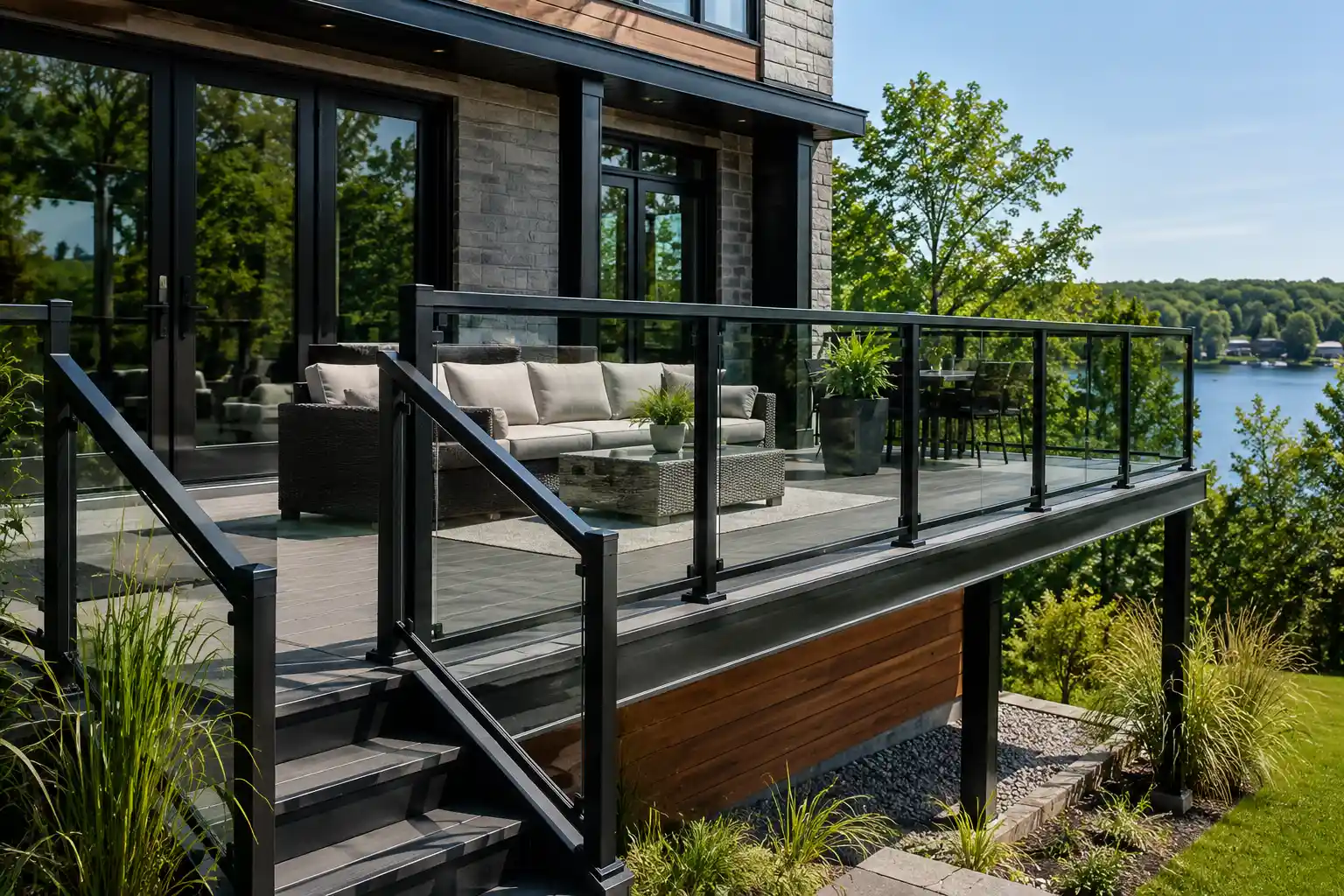
The best railing quote is not always the cheapest. It is the one that gives you confidence in the material, design, safety, installation, schedule, and long-term value.
If you are comparing aluminum railings, glass railings, exterior railings, fences, deck railings, or custom railing systems, take time to review the details before approving the project. Ask what is included. Ask what is excluded. Ask how the system will be measured, fabricated, installed, and maintained.
That is the real value of learning how to compare railing quotes. You are not just shopping for a railing. You are protecting the property, the budget, and the people who will use the space.
AlumiguardMFG manufactures and supplies railing systems for residential, commercial, contractor, builder, and investor needs across Toronto and the GTA. You can explore aluminum deck railings, exterior aluminum railings, glass railings, aluminum fences, and deco railings to compare options before requesting a quote.
To learn more about the company’s approach, visit About AlumiguardMFG. When you are ready to discuss measurements, materials, drawings, or the right railing system for your property, contact AlumiguardMFG to get started.