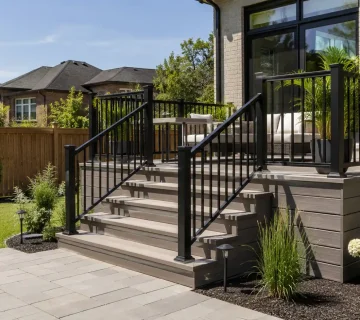
Powder coated aluminum railings are popular for decks, balconies, stairs, porches, commercial properties, and modern exterior spaces because they combine strength, style, and low maintenance.
They are built to handle changing weather, resist rust, and keep their finish looking clean for years. Still, “low maintenance” does not mean “no maintenance.”
Outdoor railings face snow, rain, salt, pollen, dust, bird droppings, tree sap, fingerprints, and daily wear. Over time, that buildup can dull the finish and make even high-quality railings look older than they are.
The good news is that caring for powder coated aluminum railings is simple when you use the right process. You do not need harsh chemicals, abrasive pads, or complicated products. In most cases, mild soap, clean water, and a soft cloth are enough.
This guide explains how to clean, protect, and inspect your railings without damaging the coating.
Why Powder Coated Aluminum Railings Still Need Care
Powder coating creates a durable protective finish over aluminum. It helps the railing resist corrosion, fading, peeling, and general weather exposure.
That is one reason aluminum remains a strong choice for outdoor railing systems. If you are comparing materials for a deck, balcony, or exterior staircase, AlumiguardMFG’s aluminum deck railing systems show how aluminum can provide a clean look while reducing long-term upkeep.
However, the coating still sits on the outside of the railing. That means it is exposed to everything in the environment.
In the GTA, railings may deal with freezing winters, road salt, spring pollen, humid summers, rain, and urban dust. Near busy roads, commercial buildings, or high-traffic outdoor areas, the buildup can happen even faster.
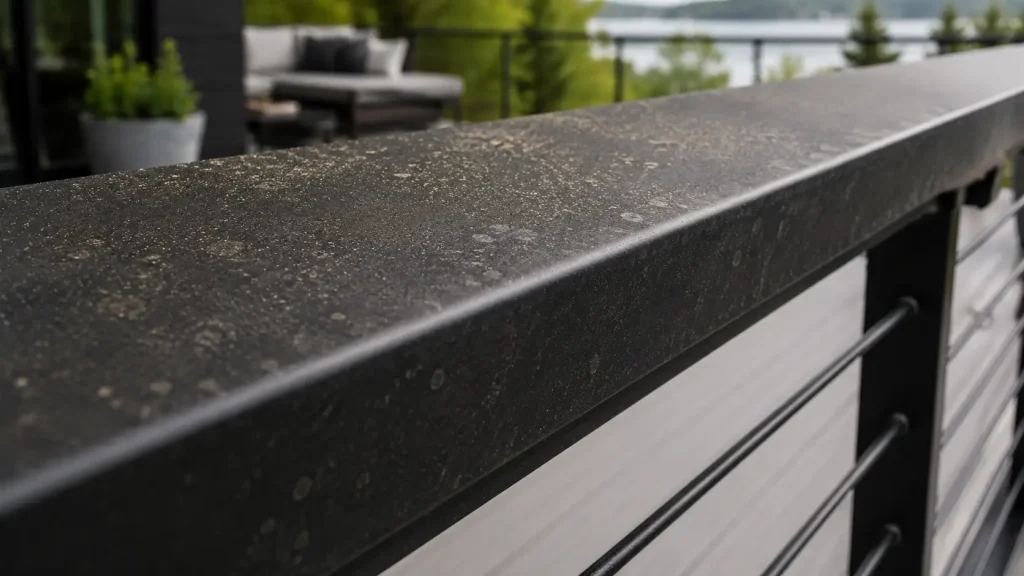
Regular cleaning helps protect the finish before dirt becomes stubborn.
A simple way to think about it is this: powder coated aluminum railings do not usually need repainting or staining like wood, but they do benefit from routine washing, rinsing, and inspection.
What Makes Powder Coated Aluminum Railings Different?
Powder coating is not the same as regular paint. Instead of liquid paint, a dry powder is applied to the aluminum and then cured to create a hard finish.
That finish helps create a smooth, consistent surface.
For property owners, the benefits are practical. Powder coated aluminum railings can be easier to clean than wood, less vulnerable to rust than steel, and more stable outdoors than materials that warp or rot.
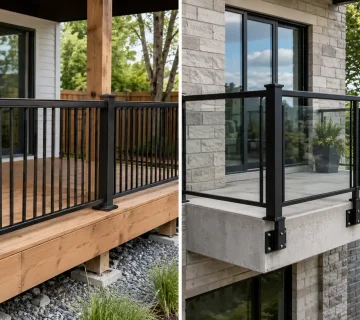
They are also versatile. They can work with picket railings, glass panels, deck railings, balcony railings, stair railings, and commercial exterior systems.
For homeowners who want modern curb appeal, exterior aluminum railings can improve safety without making the property feel heavy or outdated. For spaces where the view matters, glass railings can pair beautifully with aluminum framing.
The finish is strong, but it should still be treated gently. Abrasive cleaning can scratch or dull the surface. Strong chemicals can weaken the coating. Pressure washing too close to the surface can force water into joints or damage surrounding materials.
How Often Should You Clean Powder Coated Aluminum Railings?
For most residential properties, cleaning powder coated aluminum railings two to four times per year is a good routine.
A basic schedule could look like this:
| Situation | Recommended Cleaning |
|---|---|
| Standard residential deck or balcony | Spring and fall |
| Railings near trees or gardens | Spring, summer, and fall |
| Railings near busy roads or salt exposure | Every 2–3 months |
| Commercial or high-traffic spaces | Monthly or as needed |
| After construction or renovation nearby | As soon as dust settles |
Spring cleaning is especially important. After winter, outdoor railings may have salt residue, grime, and moisture marks. Removing that buildup early can help the finish stay fresh.
Fall cleaning is also useful. It removes leaves, dirt, and organic debris before snow and freezing weather arrive.
If your railings are part of a rental property, condo, office, storefront, or high-rise project, you may want a more frequent maintenance schedule. Commercial properties often see more hand contact, dust, and exposure.
What You Need Before You Start
You do not need special equipment for normal cleaning.
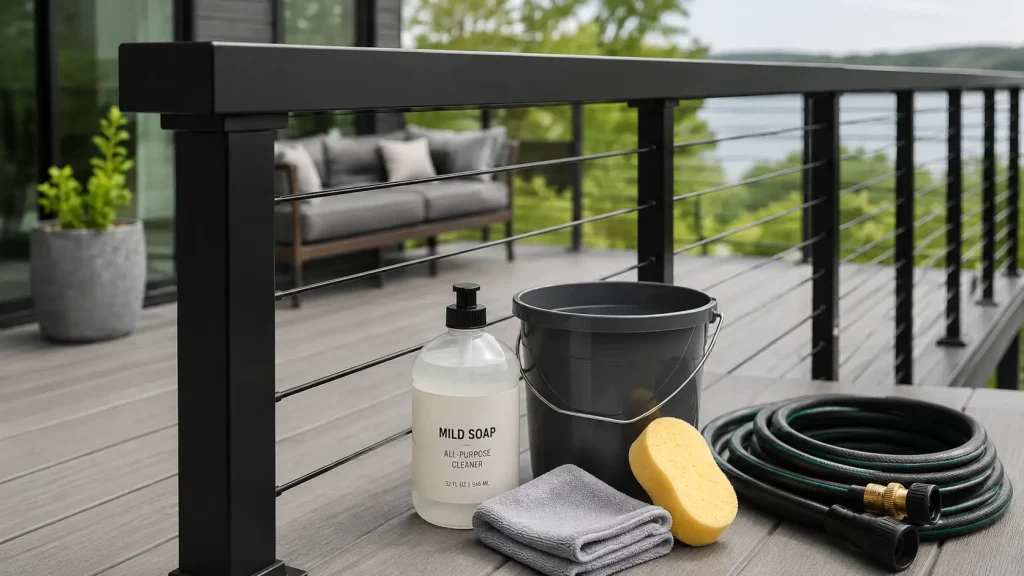
Use gentle tools and simple cleaning materials:
- A bucket of warm water
- Mild dish soap or a non-abrasive detergent
- A soft sponge
- A microfiber cloth
- A soft-bristle brush for corners
- A garden hose on a gentle setting
- A dry towel for touch-up drying
Avoid anything that feels rough or aggressive. Steel wool, scouring pads, wire brushes, sandpaper, and gritty cleaners can scratch the coating.
Also avoid strong solvents unless the railing manufacturer specifically approves them. Harsh cleaners may seem useful for tough marks, but they can cause fading, streaking, or surface damage.
Before cleaning elevated decks, balconies, or stairs, think about access and safety. For general ladder safety, the Canadian Centre for Occupational Health and Safety is a helpful reference. If the railing is hard to reach, it may be safer to have a professional inspect or clean the area.
The 7-Step Cleaning Method for Powder Coated Aluminum Railings
A careful cleaning routine keeps the coating intact while removing dirt and buildup.
1. Rinse Loose Dirt First
Start by rinsing the railing with clean water.
Use a gentle hose setting. The goal is to remove loose dust, pollen, mud, and salt before you wipe the surface.
This first rinse matters because dry dirt can act like sandpaper. If you scrub before rinsing, you may drag grit across the coating and create small scratches.
Pay attention to the top rail, post bases, corners, brackets, and lower sections close to the deck or concrete. These areas often collect the most debris.
2. Mix Mild Soap With Warm Water
Add a small amount of mild soap to warm water.
You do not need a strong concentration. A few drops of soap in a bucket is usually enough for powder coated aluminum railings.
The solution should feel slippery but not overly sudsy. Too much soap can leave residue, especially around joints and fasteners.
3. Wipe With a Soft Sponge or Cloth
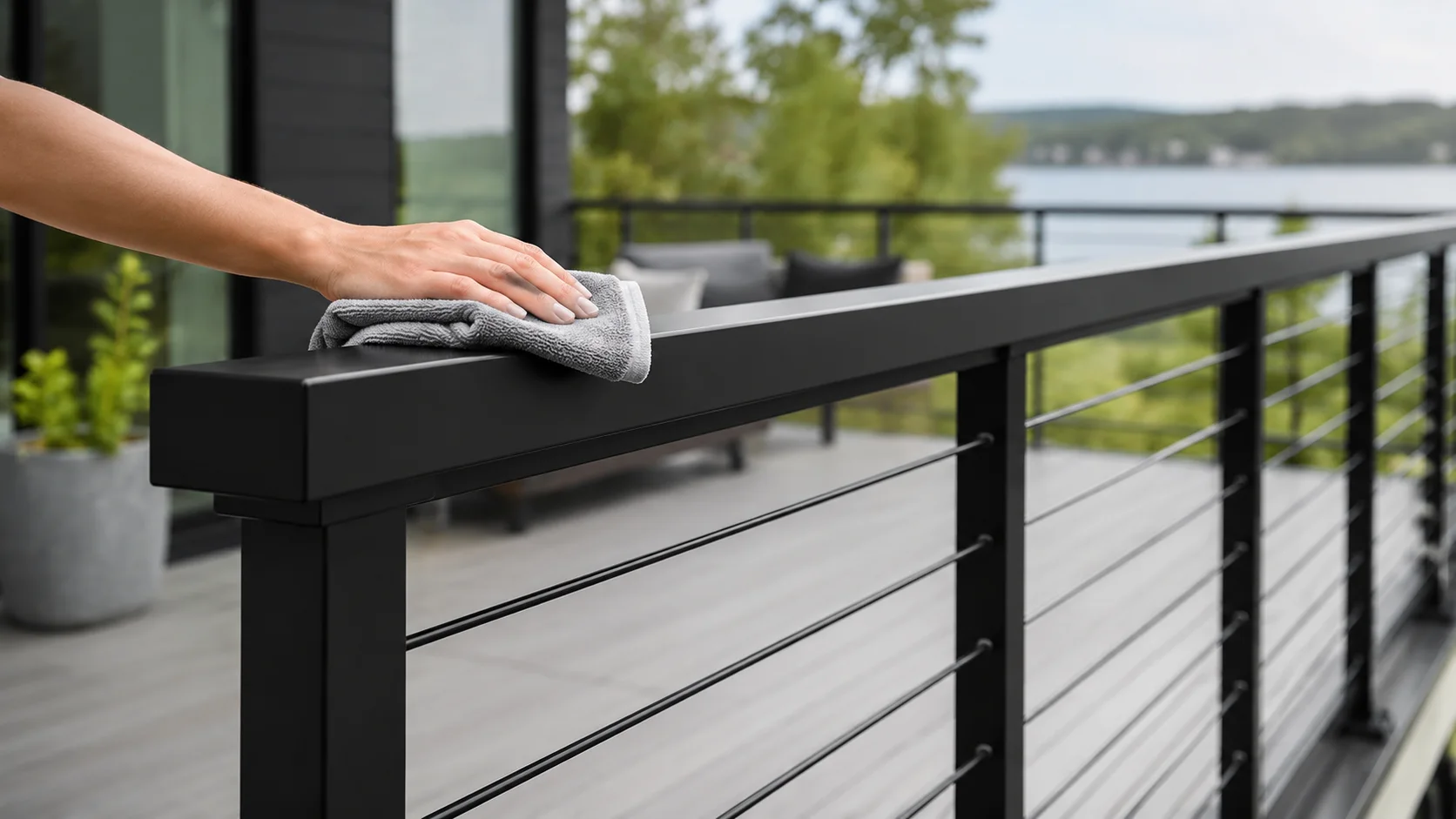
Dip your sponge or microfiber cloth into the soapy water and wipe the railing gently.
Work from top to bottom. Clean the top rail first, then posts, pickets, brackets, and lower rails.
For textured areas or corners, use a soft-bristle brush. Keep the pressure light. You want to lift dirt, not grind the surface.
If your railing includes glass panels, clean the aluminum frame first, then clean the glass separately with a glass-safe product. AlumiguardMFG’s glass railing systems can create a clear, open look, but the glass and aluminum should be cleaned with the right materials for each surface.
4. Let Stubborn Spots Soften
If you see sticky marks, bird droppings, sap, or heavier grime, do not scrape them aggressively.
Instead, place a damp cloth over the spot for a few minutes. Let the moisture soften the buildup. Then wipe gently.
For stubborn residue, repeat the mild soap process. It is better to clean twice with a gentle method than once with a harsh method.
This is especially important with powder coated aluminum railings in high-sun areas, where residue can dry onto the surface.
5. Rinse Thoroughly
After washing, rinse everything with clean water.
Soap left on the finish can attract more dirt and create streaks. It can also dry around fasteners or corners.
Rinse from top to bottom and check for hidden suds along the underside of the top rail, post caps, and base plates.
6. Dry Visible Water Spots
In many cases, you can let the railing air dry.
However, if your property has hard water or your railing is dark-colored, drying with a microfiber cloth can help prevent water spots.
Black and dark bronze finishes can show dried droplets more easily than lighter finishes. A quick wipe after rinsing keeps the railing looking sharper.
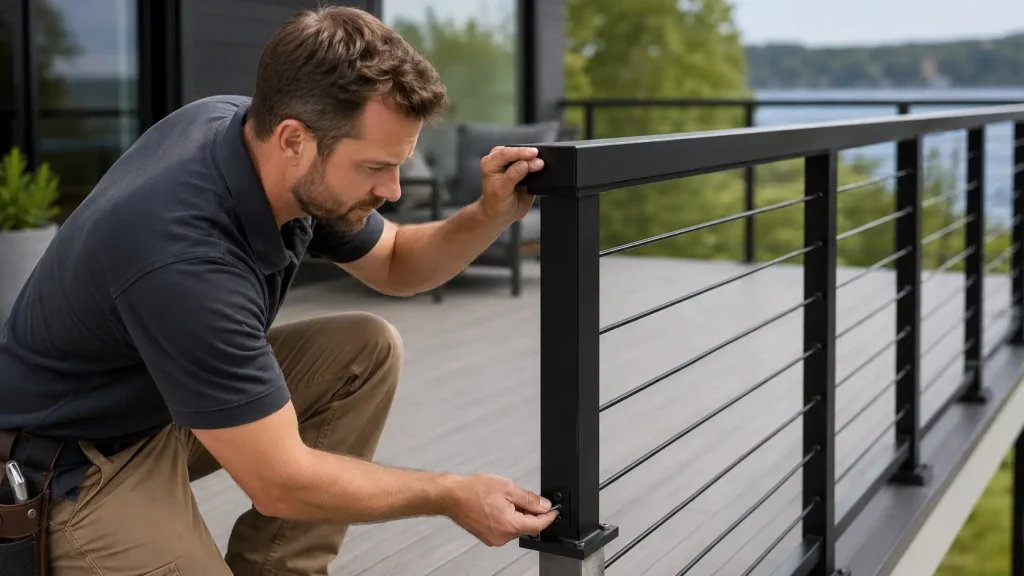
7. Inspect While You Clean
Cleaning is the perfect time to inspect your railings.
Look for loose screws, movement, scratches, chips, worn sealant near mounting points, and debris trapped at post bases.
If the railing feels loose, do not ignore it. Railings are safety systems, not just decorative features.
In Ontario, railing and guard requirements relate to safety, height, structure, and local code expectations. The province’s Ontario Building Code information is a helpful starting point, and the National Building Code of Canada also provides broader context for construction standards.
For installation, replacement, or code-sensitive concerns, speak with qualified professionals.
What Not to Use on Powder Coated Aluminum Railings
The easiest way to damage powder coated aluminum railings is to over-clean them.
Avoid these:
- Abrasive powders
- Steel wool
- Wire brushes
- Scouring pads
- Harsh degreasers
- Paint thinner
- Acetone
- Strong solvents
- Bleach-heavy mixtures
- High-pressure washing too close to the surface
Abrasive tools can leave scratches. Strong chemicals can dull or weaken the coating. High pressure can damage seals, force water into unwanted areas, or affect nearby decking and wall surfaces.
If you are unsure about a product, test it in a small hidden area first.
Wait for the test area to dry fully before deciding whether to continue.
Can You Pressure Wash Powder Coated Aluminum Railings?
In most cases, a garden hose is safer than a pressure washer.
A pressure washer may be acceptable on a very low setting from a safe distance, but it is usually unnecessary for powder coated aluminum railings. Direct high-pressure spray can be too aggressive, especially around joints, fasteners, glass panels, post caps, or older coating.
If you feel pressure washing is needed because of heavy buildup, use caution. Keep the nozzle away from the surface, use a wide spray pattern, and avoid aiming directly at seams or mounting points.
For normal seasonal cleaning, mild soap and water are the better choice.
How to Handle Scratches or Chips
Small scratches can happen from furniture, tools, pets, shovels, or accidental impact.
If you notice a scratch, clean the area first. Remove dirt and moisture so you can see the damage clearly.
Light surface marks may only affect the outer appearance. Deeper chips may expose the metal underneath and should be addressed sooner.
Do not sand or repaint the railing without understanding the finish. Touch-up products should match the original coating as closely as possible.
If your railings are part of a larger property upgrade, this may be a good time to speak with AlumiguardMFG about railing and decking services or replacement options that match the rest of the property.
Seasonal Care for GTA Homes and Businesses
Outdoor railings in the GTA experience major seasonal changes.
In winter, salt and slush can settle on railings near walkways, stairs, driveways, and road-facing balconies. In spring, pollen and tree debris can stick to damp surfaces. In summer, UV exposure and fingerprints can be more noticeable. In fall, leaves and organic debris can collect around posts and corners.
That is why seasonal care works better than waiting until railings look dirty.
Spring
Rinse away salt, dust, and winter residue. Check post bases, brackets, and fasteners. Clean glass panels if your system combines glass and aluminum.
Summer
Wipe hand-contact areas more often, especially on stairs, pool areas, decks, and commercial spaces. Remove bird droppings or sap quickly.
Fall
Clear leaves and organic debris around posts. Wash the railing before freezing temperatures arrive.
Winter
Avoid scraping railings with metal shovels or sharp tools. If salt lands on the railing, rinse it during milder weather when possible.
Powder Coated Aluminum Railings vs. Other Railing Materials
One reason powder coated aluminum railings are so practical is that they reduce many common maintenance problems.
Wood railings can require staining, sealing, painting, sanding, and repair. They may also warp or rot over time.
Steel and iron can look beautiful, but they are more vulnerable to rust if the finish fails.
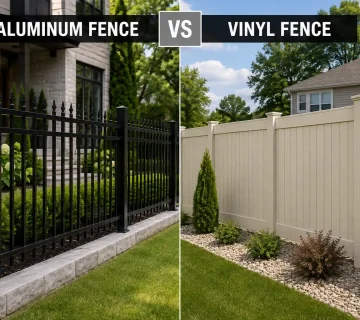
Vinyl can be low maintenance, but it may not offer the same rigid, modern appearance many property owners want.
Glass offers a clean, open look, but it needs more frequent wiping to keep panels clear.
Aluminum gives a strong balance of durability, appearance, and easy care. That is why it works well for residential decks, condo balconies, stairs, commercial entrances, and exterior safety barriers.
For properties that also need perimeter solutions, AlumiguardMFG’s aluminum fences provide a similar low-maintenance advantage for outdoor spaces.
How Do You Keep Railings Looking New Longer?
The best way to keep powder coated aluminum railings looking new is to prevent buildup from staying on the surface too long.
Here are a few simple habits:
Rinse railings after heavy pollen, construction dust, or salt exposure.
Clean hand-contact areas more often than low-touch areas.
Keep planters from trapping moisture against posts or rails.
Avoid leaning metal tools, shovels, or ladders directly against the finish.
Trim nearby branches that scrape the railing in wind.
Check fasteners and post bases during seasonal cleaning.
These steps are small, but they make a difference over time.
When Should You Consider Replacement Instead of Cleaning?
Cleaning can improve appearance, but it cannot fix every issue.
Consider professional help if the railing is loose, leaning, heavily damaged, improperly installed, or no longer suitable for the space.
You should also consider replacement if the railing does not meet current safety needs, blocks the view more than you want, or no longer matches the property design.
For example, an older wood railing may be replaced with aluminum picket railing for lower maintenance. A deck with a scenic backyard may benefit from glass and aluminum. A commercial property may need a more durable system for repeated public use.
Location also matters. AlumiguardMFG has location-focused pages for property owners looking for glass and picket railings in Toronto, Mississauga, Vaughan, and North York.
Simple Maintenance Schedule for Powder Coated Aluminum Railings
A basic schedule helps you stay consistent.
| Time of Year | What to Do |
|---|---|
| Early spring | Wash away salt and winter grime |
| Late spring | Remove pollen, dust, and tree debris |
| Mid-summer | Wipe handrails, inspect scratches, clean glass |
| Fall | Clear leaves, rinse surfaces, inspect fasteners |
| After storms | Check for branches, impact marks, or debris |
| After renovations | Remove construction dust quickly |
This schedule is easy to adjust. A quiet backyard deck may need less attention. A busy commercial stairway may need more.
The key is not perfection. It is consistency.
A Cleaner Finish Starts With the Right Railing System

Powder coated aluminum railings are a smart choice for property owners who want a clean look without constant upkeep. With mild soap, water, soft cleaning tools, and seasonal inspections, they can stay attractive and functional for years.
The most important rule is simple: clean gently and regularly.
Avoid harsh chemicals. Avoid abrasive tools. Do not ignore loose parts or deep damage. And when a railing system needs more than cleaning, work with a team that understands design, fabrication, safety, and installation.
AlumiguardMFG manufactures aluminum and glass railing systems for residential and commercial properties across Toronto and the GTA. From aluminum deck railings and exterior aluminum railings to glass railings, fences, and custom solutions, the team focuses on durable materials, clean design, and reliable project support.
To learn more about the company’s approach, visit About AlumiguardMFG. Contractors, builders, wholesalers, and project partners can also review business opportunities or contact AlumiguardMFG to discuss the right railing or fencing solution for an upcoming project.